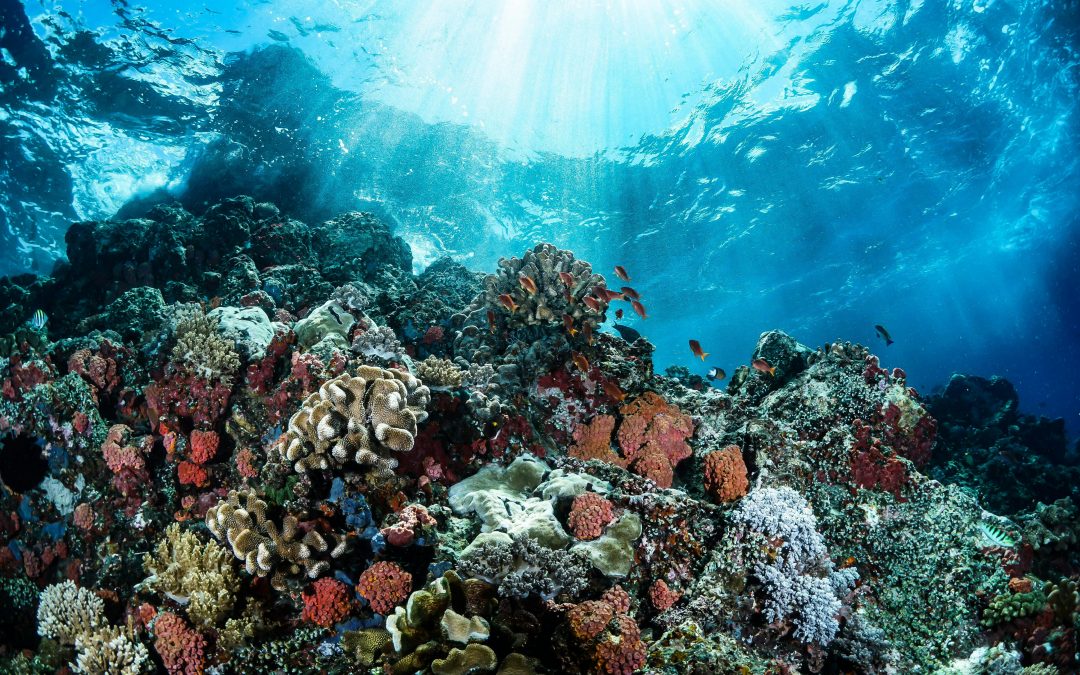
Malawi Travel Guide: Tea Estates, Liwonde Safaris & Lake Malawi

Malawi Travel Guide: Tea Estates, Liwonde Safaris & Lake Malawi

Malawi: Tea Fields, Lions and the Lake of Stars

Malawi is small by African standards, about an eighth the size of neighbouring Tanzania, but it packs in a remarkable range. In one trip you can sip tea grown on century-old estates, track lions on safari and snorkel among fish found nowhere else on Earth.

What makes it special is how each place gives back. On this route, inspired by a feature in National Geographic Traveller UK (July/August 2026), your visit helps fund wildlife protection, schools and sustainable fishing.

Why Malawi deserves a place on your list

Malawi is often called the “Warm Heart of Africa”, and travellers who go tend to agree. It is a landlocked country in southeastern Africa, wedged between Zambia, Tanzania and Mozambique, and roughly a fifth of its surface is covered by a single body of water: Lake Malawi. For a country of its size, it holds an unusual mix of landscapes. In the south, cool highlands are draped in tea. In the middle, river valleys and woodland shelter elephants and big cats. Along the east, a lake so large it has waves and beaches stretches toward the horizon.

For years, Malawi sat in the shadow of its better-known neighbours. Travellers flew over it on the way to Zambia’s walking safaris or Tanzania’s great migration. That is starting to change, and for good reasons. The country is compact, so you can move from tea estate to safari to beach in a single week without long internal flights. It is far less crowded than Africa’s headline parks, so a game drive often means having a sighting entirely to yourself. And it offers something many travellers now look for: proof that their money is doing good.

That last point is the thread running through this route. Each stop below is a working example of tourism supporting conservation and local livelihoods. A tea estate that protects forest corridors and runs a school. A national park that has brought back rhinos and lions after decades of poaching. A lakeshore charity that helps fishing families earn more by fishing less destructively. You don’t need to be an expert in sustainability to appreciate it. You simply see it in the people you meet: guides who grew up next to the park, tea tasters who studied at the estate school, villagers who now have a stake in the wildlife around them.

This is not a polished, luxury-only destination, and that is part of its charm. Roads can be slow, power can be patchy, and the pace of life is unhurried. In return, you get a trip that feels personal and genuine, in a country where a smile and a greeting in Chichewa (try moni, meaning hello) go a very long way.

Here is how to see the best of southern Malawi in three stops.

The route: three stops in southern Malawi

Stop 1: Satemwa Tea Estate, Shire Highlands

Founded in 1923, Satemwa is one of Africa’s oldest tea estates, and some of its original bushes still produce leaves. Its 3,700 acres of tea and coffee are woven with patches of mahogany forest that act as wildlife corridors.

  • Birdwatching: more than 600 bird species have been recorded on the estate. Book a dawn walk with a resident guide.
  • Tea tasting: Satemwa’s teas were the first in Malawi to be Fairtrade-certified, and some are now served at Claridge’s in London and Noma in Copenhagen.
  • People first: about 1,200 people work here year-round, at least 60% of them women, and the estate school teaches 1,000 local children.

Stay at Huntingdon House, a 1930s colonial bungalow in the middle of the estate, with Mount Mulanje, Malawi’s highest peak, on the horizon.

A morning on the estate

The best way to understand Satemwa is to wake up early. Picking starts at sunrise, and by 6am teams of workers are moving between the rows, snapping off the freshest shoots. A plucked bush can produce new, pickable leaves in as little as a week, so the fields are worked in a constant rotation. Walking among them at dawn, with mist still clinging to the valleys and birdsong coming from the forest patches, is one of the most peaceful experiences in the country.

An early birdwatching walk is the ideal start. The estate’s resident guides know exactly where to look, and even non-birders tend to get hooked once they see a trumpeter hornbill flap overhead or a golden oriole flash yellow in the canopy. The woodland patches between the fields are not decoration: they shelter bushbuck, porcupines and hundreds of bird species, and they keep the soil and ecosystem healthy. Some trees, like albizia, also fix nitrogen in the soil, which helps the tea grow. It is farming that works with nature rather than against it.

From bush to cup

Later in the day, book a tasting in the estate’s factory. You will learn how the leaves are processed: spread out to lose moisture, rolled, oxidised and then fire-dried. The whole journey from bush to finished tea can take as little as 18 hours. Satemwa produces black, green, oolong, white and dark teas, and a guided tasting lines up a row of cups so you can compare them side by side.

The technique is simple, if a little undignified: sip, slurp loudly to pull air over the tea, and swish it around your mouth. Your tasting guide will likely have a favourite, and may well tell you to take your black tea the local way, with sugar and no milk. Before you leave, buy a few packets to take home. They make excellent, light souvenirs, and every purchase supports the estate and its workers.

Why it matters

Satemwa shows how a business can look after both people and land. Beyond its jobs and school, the estate supports dozens of local students through further education. For visitors, that context transforms a simple cup of tea into something more meaningful. As you walk back through the green fields with Mount Mulanje rising behind them, it is hard not to think differently about what goes into your morning brew.

Good to know: Satemwa is in the Thyolo area of the Shire Highlands, within easy driving distance of Blantyre’s airport, which makes it a natural first stop after you land. Nights at altitude can be chilly, so pack a warm layer.

Stop 2: Liwonde National Park, a safari reborn

Three hours north, Liwonde is one of Africa’s great conservation comebacks. Poaching once emptied the park of several species. Since the nonprofit African Parks took over in 2015, black rhinos, cheetahs, lions and wild dogs have been reintroduced, and over 40,000 wire snares removed.

  • Game drives: watch for lions, elephants, kudu and jackals on the Shire River floodplain.
  • River safaris: hippos and storks along the Shire, a tributary of the Zambezi.
  • Walking safaris: follow tracks on foot with an armed guide, including ancient “hippo highways”.
  • Community projects: farmers grow chilli fences and keep beehives along the park edge. Elephants dislike both, so the plants and bees protect crops and earn income.

Base yourself at Mvuu Lodge. Nearly all of its 80 staff come from nearby villages, most of its power is solar, and tourism revenue funds scholarships and eco-clubs at 15 local schools.

What a safari day looks like

Liwonde covers about 212 square miles of mopane woodland, floodplain and riverbank, with the broad Shire River forming its western edge. Most visitors arrive by boat, crossing the river to reach their lodge, and that first crossing sets the tone: hippos surfacing beside the hull, storks and fish eagles overhead, crocodiles basking on the sandbanks.

A typical day starts before sunrise with coffee and biscuits, then an early game drive while the animals are most active. You might find a bull elephant moving through the trees, kudu with spiralling horns standing perfectly still in the bush, or jackals trotting along the track. Mid-morning, you return for breakfast and a rest through the hottest hours. In the late afternoon you head out again, either by vehicle or by boat, and stay out as the light fades.

Dusk is when Liwonde often delivers its most memorable moments. Lions, reintroduced to the park in recent years, hunt as the temperature drops. Watching a pride slip through the grass toward grazing impala, freezing every time a baboon barks an alarm, is the kind of scene you remember for life. Because the park is far quieter than Africa’s famous reserves, you may share it with no other vehicles at all.

On foot and on the water

For many travellers, the walking safari is the highlight. With an armed ranger and guide, you set off from camp to read the bush up close: fresh rhino dung, cheetah tracks pressed into the sand, the bleached bones of an elephant, beds of wild basil that scent the air as you brush past. You learn to notice the small details, such as the worn paths hippos use night after night to move between the river and their grazing grounds, some of them likely in use for generations.

A river safari offers a completely different angle. Gliding along the Shire, you can get close to hippo pods and elephants coming down to drink, and enjoy some of the best birdwatching in the park. Bring binoculars and a camera with a decent zoom.

A park that is coming back to life

Liwonde’s story is one of recovery. For decades, poaching and conflict between people and wildlife took a heavy toll. Since African Parks took over management in 2015, the change has been dramatic. Black rhinos, cheetahs, lions and wild dogs have returned. Tens of thousands of snares have been cleared. More than 250 elephants have been moved to other Malawian parks to ease pressure on the ecosystem. There have been setbacks along the way, but the overall trend is clear.

Just as important is the work outside the park fence. Projects that help farmers grow chilli barriers and keep beehives give communities an income while keeping elephants away from crops. Local honey ends up on the breakfast table at the lodge, closing the loop between tourism, wildlife and people.

Good to know: Liwonde is a malaria area, so take advice on prevention, wear long sleeves at dusk and use repellent. Neutral colours are best on safari, and a light fleece is handy for early-morning drives.

Stop 3: Lake Malawi, the Lake of Stars

About three hours further north, Lake Malawi is a UNESCO World Heritage Site and one of the deepest lakes in the world. It is more than 350 miles long and holds at least 1,000 fish species, more than Europe and North America combined. At night, the lamps of fishing canoes twinkle across the water, which is how it got its nickname.

  • Snorkel with cichlids: these colourful fish evolved into hundreds of species found only here.
  • Kayak or sail: paddle along the shore or take a sunset dhow cruise.
  • Sunrise hike: climb Pumulani mountain for views across the lake.
  • Meet the fishers: in villages like Msaka, the charity Ripple Africa helps fishing communities switch to sustainable nets and fuel-saving cookstoves.

Stay at Pumulani Lodge, with hillside villas overlooking the lake and steps down to a private beach.

A freshwater sea

Nothing quite prepares you for the scale of Lake Malawi. It runs more than 350 miles from north to south and up to 50 miles across, filling a deep trough of Africa’s Great Rift Valley. Its deepest point lies around 2,300 feet below the surface. Stand on the shore and it looks like an ocean: there are waves, sandy beaches, rocky headlands and a horizon with no land in sight.

The southern end, around Cape Maclear and the Nankumba Peninsula, is the most popular area for visitors and lies within Lake Malawi National Park. It is about three hours by road from Liwonde, which makes it the perfect place to finish a trip: after early safari wake-ups, you can slow down, swim and simply watch the light change over the water.

Into the water

The lake’s biggest treasure is underwater. Its cichlids are one of the world’s most remarkable examples of evolution. From a few ancestors, these small fish have split into hundreds of species, each adapted to a slightly different way of life. Some graze algae off rocks, some hunt insects, some guard their young in their mouths. Almost all of them live here and nowhere else.

You don’t need to dive to see them. Pull on a mask and snorkel in a rocky bay, and within seconds you are surrounded by flashes of electric blue, yellow, orange and violet. The water is warm and generally calm, and the visibility can be excellent. Many lodges rent equipment and run guided snorkelling trips. Certified divers can also arrange freshwater dives, which feel very different from the sea: no salt, no tides, and fish that seem curious rather than shy.

Above the surface, there is plenty more to do. Kayak around the headlands in the calm of the morning, watching fish eagles perch in the trees. Take a sunset sail on a traditional wooden dhow. Hike up a nearby hill before dawn to watch the sun rise over the water, an experience that needs very few words.

Life on the lakeshore

Fishing is the backbone of life along the lake. Each evening, fleets of dugout canoes head out with lamps to attract fish, and each morning the catch is hauled onto the beach and sold right there on the sand. Watching the boats come in is a lively, colourful way to see village life.

It also highlights a real challenge. Some fishers use very fine nets, sometimes made from mosquito nets, that scoop up young fish and damage the lake’s food chain. Local charity Ripple Africa works with communities to change that, setting up village committees and showing that using legal, wider-mesh nets leads to bigger fish and better incomes over time. The charity also introduces simple mud-brick cookstoves that burn far less wood and produce less smoke, protecting both forests and family health. Its approach is about “a hand up rather than a handout”, and visiting with a local guide is a good way to learn how it works.

Good to know: the lake carries a risk of bilharzia, a parasite infection. It is easy to treat with a single course of medication taken a few weeks after swimming; ask your lodge or doctor about timing. Use reef-safe sunscreen and never touch or feed the fish.

A sample 9-day itinerary

This plan follows the same order as the route above and mirrors the stays the magazine recommends: two nights in the tea highlands, three on safari and four on the lake.

  1. Day 1: Arrive in Blantyre. Land at Chileka International Airport and transfer to Satemwa in the Shire Highlands. Settle into Huntingdon House, enjoy afternoon tea on the veranda and an early night by the fire.
  2. Day 2: Tea and birds. Dawn birdwatching walk, a tour of the fields and factory, and a guided tea tasting. In the afternoon, cycle or walk the estate trails with Mount Mulanje on the skyline.
  3. Day 3: To Liwonde. Drive about three hours north to Liwonde National Park. Cross the Shire River by boat to Mvuu Lodge and head out on your first afternoon game drive.
  4. Day 4: Safari by vehicle and boat. Early game drive, a lazy midday at camp, then a river safari among hippos and elephants as the sun sets.
  5. Day 5: On foot. A morning walking safari with a ranger, followed by a visit to a community project such as the chilli fences or beehives. Final evening drive in search of lions.
  6. Day 6: To the lake. Drive about three hours to the southern shore of Lake Malawi. Check into your lakeside lodge and swim before sunset.
  7. Day 7: Underwater world. Snorkel among the cichlids in the morning and kayak along the shore in the afternoon.
  8. Day 8: Lake life. A sunrise hike for views across the water, a visit to a fishing village to see the morning catch come in, and a sunset dhow cruise.
  9. Day 9: Departure. A final swim and breakfast, then transfer back to the airport for your flight home.

Short on time? Drop the tea estate and fly into Lilongwe instead, combining three nights at Liwonde with three on the lake. Have more time? Add the Zomba Plateau, which rises above Malawi’s former capital, or a few nights at Majete Wildlife Reserve, another African Parks success story in the south.

Plan your trip

Go between May and October for the best wildlife viewing, and allow at least nine nights for all three stops.

  • Getting there: Ethiopian Airlines flies to Blantyre via Addis Ababa. From the UK, the flight takes about 14 hours.
  • When to go: the dry season (May–October) is best for safaris. The green wet season rewards birdwatchers.
  • Festival: the three-day Lake of Stars arts festival runs every October on the lakeshore, with music, dance and theatre.
  • Health: the lake is generally safe for swimming, but bilharzia is a risk. Lodges often provide anti-bilharzia medication; ask them or your doctor when to take it. Check malaria advice with your doctor before you go.
  • Getting around: drives between stops take about three hours each, so plan road transfers with your lodges or tour operator.
  • Guidebook: Bradt’s Malawi (9th edition) covers history and wildlife in depth.
  • Prefer a package? Rainbow Tours offers a nine-night trip from £4,820 per person, including flights, transfers, meals, activities and stays at Huntingdon House, Mvuu Lodge and Pumulani Lodge, according to the magazine.

Money and budget

The local currency is the Malawian kwacha (MWK). Lodges and tour operators usually quote prices in US dollars, and most safari and lake lodges price their stays per person, often including meals and activities. Cash is still important outside the main lodges, so carry some small notes for markets, tips and village visits. Card machines and ATMs are mostly found in the cities, such as Blantyre and Lilongwe, and can be unreliable, so don’t count on them in remote areas.

As a rough guide, a fully packaged nine-night trip with flights from the UK starts from around £4,820 per person, based on the operator price quoted in the magazine. Travellers on a tighter budget can cut costs with simpler lakeside guesthouses, shared transfers and fewer nights in the national park. Always check current prices directly with lodges and operators before booking.

What to pack

  • Layers: warm fleece for highland nights and early game drives, light breathable clothing for daytime
  • Safari colours: khaki, olive and beige; avoid bright white and dark blue, which attracts tsetse flies in some areas
  • Sun and bug protection: wide-brimmed hat, sunglasses, high-factor sunscreen and insect repellent
  • Water gear: swimwear, quick-dry towel, and your own snorkel mask if you prefer a perfect fit
  • Practical extras: binoculars, a headlamp for power cuts, a reusable water bottle, a universal adapter and a small first-aid kit
  • Documents: passport with blank pages, travel insurance details, and copies of bookings

Entry, health and insurance

Entry requirements for Malawi change from time to time, so check the latest visa and passport rules with your government’s travel advice and the Malawian authorities before you book. See a travel health clinic at least six weeks before departure for advice on vaccinations and malaria prevention. Comprehensive travel insurance that covers medical evacuation is strongly recommended, as some lodges are several hours from a major hospital.

Language and etiquette

English and Chichewa are the main languages, and English is widely spoken in tourism. A few words of Chichewa will win you smiles: moni (hello), zikomo (thank you) and muli bwanji? (how are you?). Dress modestly in villages and towns, covering shoulders and knees, and always ask before photographing people.

How to travel responsibly in Malawi

The places on this route work because tourism and conservation support each other. You can strengthen that cycle with a few simple choices.

  1. Stay where your money stays local. Choose lodges that employ people from nearby villages, buy local produce and fund community projects. Ask about their staff, energy use and outreach before you book; good operators are proud to explain.
  2. Use local guides. Guides who grew up next to the parks and lakeshore bring stories you won’t find in any guidebook, and every booking supports a skilled local job. Many lodges now train young guides from neighbouring communities.
  3. Respect wildlife. Keep your distance, never feed animals, and follow your guide’s instructions on walks and drives. On the lake, don’t touch or remove fish, shells or rocks.
  4. Buy thoughtfully. Pick up tea from Satemwa, honey from community beekeepers or crafts from local artisans. Avoid souvenirs made from wildlife products, coral or shells.
  5. Visit communities with care. Go with a guide or an established project, ask before taking photos, and listen as much as you look. A village visit should feel like a meeting, not a show.
  6. Tip fairly. Tipping is customary for guides, trackers and lodge staff. Your lodge can suggest appropriate amounts, often shared through a staff tip box.
  7. Reduce your footprint. Bring a refillable bottle, refuse single-use plastics, and keep showers short: water and power are precious in many areas.
  8. Give through trusted channels. If you want to support schools or conservation, donate through your lodge, African Parks or established charities like Ripple Africa, rather than handing out money or sweets to children.

Small gestures add up. In a country where tourism is still growing, every thoughtful traveller helps show that protecting nature and supporting people go hand in hand.

Frequently asked questions

Is Malawi good for a first safari? Yes. Liwonde is compact, uncrowded and well run, with excellent guides and a mix of drives, walks and boat safaris. You won’t see the huge herds of East Africa’s plains, but you will enjoy intimate sightings, often with no other vehicles around. For many travellers, that quieter experience is exactly the appeal.

Can you see the Big Five in Malawi? After years of reintroductions, Malawi’s parks now hold all of the Big Five between them, though sightings depend on the park, the season and luck. Liwonde has elephants, lions, black rhinos and buffalo; for the best chance of seeing all five, ask your operator about combining it with Majete Wildlife Reserve.

Is Lake Malawi safe to swim in? Generally, yes, and swimming and snorkelling are highlights of any visit. The main risk is bilharzia, which is easy to treat with medication. Swim in areas recommended by your lodge, avoid reedy, still water, and follow medical advice on treatment after your trip.

How many days do I need? Nine nights is ideal for the three stops in this guide. With a week, focus on Liwonde and the lake. With two weeks, add the Zomba Plateau, Majete or the beaches further north along the lake.

What is the best month to visit? May to October, the dry season, is best for wildlife, with cooler mornings early on and hotter days toward September and October. October is also when the Lake of Stars festival takes place. The wet season, roughly November to April, is greener, quieter and excellent for birdwatching.

Do I need to book a tour, or can I travel independently? Both work. A tour operator handles flights, transfers and lodge bookings, which saves time given the slow roads and limited public transport. Independent travel is possible and cheaper, but allow extra time and arrange transfers through your lodges.

Is Malawi expensive? The country itself is affordable, but quality safari lodges carry international prices because they include meals, guiding and park fees. Lakeside guesthouses and local restaurants are far cheaper. Mixing the two is a good way to balance comfort and cost.

Is Malawi safe for tourists? Malawi has a reputation as one of the friendliest countries in Africa. Take normal precautions: avoid walking alone at night in cities, keep valuables out of sight and check your government’s latest travel advice before you go.


More From This Category

A Mediterranean Dream

A Mediterranean Dream

Nestled along the Catalonian coast, just a short drive from Barcelona, Cabrils is a charming village that seems to exist in perfect harmony with the sea and the surrounding mountains. It’s not the kind of place that overwhelms you with crowds or flashy attractions. Instead, it invites you to slow down, to breathe, and to immerse yourself in a gentler rhythm of life. For three days, this tranquil corner of Spain became our home—and at the heart of our experience was Carla, our exceptional Airbnb host.
read more
A Mediterranean Dream

A Mediterranean Dream

Nestled along the Catalonian coast, just a short drive from Barcelona, Cabrils is a charming village that seems to exist in perfect harmony with the sea and the surrounding mountains. It’s not the kind of place that overwhelms you with crowds or flashy attractions. Instead, it invites you to slow down, to breathe, and to immerse yourself in a gentler rhythm of life. For three days, this tranquil corner of Spain became our home—and at the heart of our experience was Carla, our exceptional Airbnb host.

read more

Comments

Our Newsletter

Oceania Unveiled

Oceania Unveiled

Oceania Unveiled: Wild Shores, Deep Culture, and the Spirit of the Pacific

Introduction: The Edge of the World, the Heart of the Earth

Oceania is not just a region—it’s a revelation. Comprising Australia, New Zealand, and the Pacific Islands, it stretches across the world’s largest ocean, offering travelers a tapestry of wild landscapes, ancient cultures, and soulful simplicity.

From the surf-swept beaches of Byron Bay to the fjords of New Zealand and the coral gardens of Fiji, Oceania invites you to explore not just places, but philosophies. It’s where nature speaks loudly, communities live slowly, and travel becomes transformation.

In this blog, we’ll journey through Oceania’s most compelling destinations, uncovering the stories, rituals, and rhythms that make this region one of the most enriching on Earth.


1. Australia: Land of Contrast and Connection

Byron Bay: Surf, Spirit, and Sustainability

Byron Bay, on Australia’s east coast, is often described as a spiritual surf town. With its golden beaches, lush hinterland, and bohemian vibe, it’s a place where wellness and wilderness meet.

Why Visit Byron Bay?

  • Surf at The Pass or Wategos Beach
  • Hike to Cape Byron Lighthouse for sunrise
  • Explore Crystal Castle and Shambhala Gardens
  • Attend local farmers’ markets and wellness festivals

Byron Bay’s ethos is rooted in sustainability, community, and creativity. It’s a place to slow down, breathe deeply, and reconnect.

Tasmania: Wilderness and Wonder

Tasmania, Australia’s island state, is a haven for nature lovers and solitude seekers.

Highlights:

  • Cradle Mountain-Lake St Clair National Park
  • MONA (Museum of Old and New Art) in Hobart
  • Bruny Island’s gourmet food and wildlife
  • Bay of Fires’ orange-laced granite beaches

Tasmania offers a raw, elemental experience—perfect for hiking, kayaking, and introspection.

The Red Centre: Sacred Landscapes

Uluru (Ayers Rock) is more than a landmark—it’s a living cultural site for the Anangu people.

Experiences:

  • Walk the base of Uluru with an Indigenous guide
  • Visit Kata Tjuta’s domes
  • Stargaze in the desert
  • Learn about Tjukurpa (Anangu law and storytelling)

The Red Centre teaches travelers about respect, resilience, and the sacredness of land.


2. New Zealand: Aotearoa’s Dual Soul

New Zealand, or Aotearoa, is a land of duality—mountains and beaches, Maori and Pākehā (European), adventure and serenity.

South Island: Drama and Depth

Must-See Destinations:

  • Fiordland National Park: Milford and Doubtful Sound
  • Queenstown: Adventure capital with bungee, skiing, and jet boating
  • Wanaka: Lakeside calm and hiking trails
  • Kaikōura: Whale watching and seafood

South Island is cinematic, spiritual, and endlessly photogenic.

North Island: Culture and Community

Highlights:

  • Rotorua: Geothermal wonders and Maori culture
  • Wellington: Artsy capital with great coffee and museums
  • Bay of Islands: Sailing, snorkeling, and history
  • Waitomo Caves: Glowworms and underground rivers

North Island offers warmth, storytelling, and connection.

Maori Culture: A Living Legacy

To travel in New Zealand is to engage with Te Ao Māori—the Māori worldview.

Cultural Experiences:

  • Attend a pōwhiri (welcome ceremony)
  • Learn haka and waiata (songs)
  • Visit marae (meeting grounds)
  • Hear legends of Tāne Mahuta and Māui

Respect, reciprocity, and kaitiakitanga (guardianship of nature) are central to Māori values—and to meaningful travel.


3. The Pacific Islands: Blue Worlds and Deep Traditions

Oceania’s island nations—Fiji, Samoa, Tonga, Vanuatu, and others—offer travelers a chance to experience life shaped by the ocean.

Fiji: Coral, Culture, and Community

Fiji is famous for its turquoise waters and warm hospitality. But beyond the resorts lies a rich cultural tapestry.

What to Do:

  • Snorkel in the Yasawa Islands
  • Visit a traditional Fijian village
  • Participate in a kava ceremony
  • Hike in Bouma National Heritage Park

Fiji’s concept of “bula spirit”—joy, welcome, and connection—is palpable.

Samoa: Fa’a Samoa and Sacred Sites

Samoa’s culture, known as Fa’a Samoa, emphasizes family, respect, and tradition.

Highlights:

  • Swim in To Sua Ocean Trench
  • Explore lava fields and waterfalls
  • Attend a fiafia night (dance and feast)
  • Visit Robert Louis Stevenson’s home

Samoa offers travelers a chance to witness living heritage and natural beauty.

Tonga: The Kingdom of the Pacific

Tonga is one of the few remaining monarchies in the Pacific, with a strong sense of identity and pride.

Experiences:

  • Watch humpback whales in Vava’u
  • Visit Ha’amonga ‘a Maui Trilithon
  • Explore uninhabited islands by kayak
  • Learn about Tongan tapa cloth and storytelling

Tonga is quiet, authentic, and deeply rooted in tradition.


4. Oceania’s Climate Zones: Packing and Planning

Oceania spans multiple climate zones:

  • Tropical (Fiji, Samoa): Hot and humid year-round
  • Temperate (New Zealand): Four seasons, variable weather
  • Arid (Central Australia): Hot days, cold nights
  • Alpine (NZ South Island): Snow in winter, cool summers

Packing Tips:

  • Lightweight layers for tropical zones
  • Waterproof gear for New Zealand
  • Sunscreen and hydration for deserts
  • Respectful clothing for cultural visits

Always check local customs and weather before you go.


5. Sustainability in Oceania: Travel That Gives Back

Oceania’s ecosystems are fragile and sacred. Travelers can help protect them by:

A. Supporting Local Businesses

  • Stay in family-run lodges
  • Buy crafts from Indigenous artisans
  • Eat locally sourced food

B. Respecting Nature

  • Follow Leave No Trace principles
  • Avoid touching coral or wildlife
  • Use reef-safe sunscreen

C. Learning and Listening

  • Attend cultural workshops
  • Ask questions with humility
  • Share stories responsibly

Sustainable travel in Oceania is about reciprocity—not just taking, but giving.


6. Wellness and Rewilding in Oceania

Oceania is a natural wellness destination. Here’s how to rewild your body and soul:

Australia: Byron Bay and Tasmania

  • Yoga on the beach
  • Forest bathing in eucalyptus groves
  • Surf therapy and breathwork

New Zealand: Wanaka and Rotorua

  • Hot springs and mud baths
  • Hiking and meditation retreats
  • Maori healing traditions

Pacific Islands: Fiji and Samoa

  • Ocean swims and coral snorkeling
  • Traditional massage and herbal remedies
  • Coconut oil rituals and kava ceremonies

Wellness here is not manufactured—it’s inherited, intuitive, and immersive.


7. Voices from Oceania: Travelers Reflect

Lily, 33, Vancouver

“In New Zealand, I felt like the land was speaking to me. The Māori guides didn’t just show us places—they shared stories that changed how I see the world.”

Tane, 45, Rotorua

“Our ancestors taught us to care for the land. When travelers come with respect, they become part of that story.”

Maya, 29, London

“Swimming in Fiji was like returning to something ancient. The coral, the colors, the silence—it was healing.”


8. How to Plan Your Oceania Journey

Step 1: Choose Your Focus

  • Adventure (NZ, Australia)
  • Culture (Samoa, Tonga)
  • Wellness (Byron Bay, Fiji)
  • Nature (Tasmania, Vanuatu)

Step 2: Build a Slow Itinerary

  • Spend at least 2–3 nights per location
  • Include cultural experiences and nature time
  • Leave space for spontaneity

Step 3: Travel Mindfully

  • Offset your carbon footprint
  • Learn basic local phrases
  • Respect sacred sites and customs

Oceania rewards travelers who move with intention.


Conclusion: Oceania as a Way of Being

Oceania is not just a place—it’s a way of being. It teaches us to listen to the land, honor the ocean, and live with heart. It invites us to slow down, to connect, and to remember that travel is not about consumption—it’s about communion.

So whether you’re surfing in Byron Bay, hiking in Fiordland, or sharing kava in Fiji, let Oceania change you. Let it remind you that the edge of the world is often where the deepest truths reside

More From This Category

Malawi Travel Guide: Tea Estates, Liwonde Safaris & Lake Malawi

Malawi Travel Guide: Tea Estates, Liwonde Safaris & Lake Malawi

Sip Fairtrade tea on a century-old estate, track lions in a safari park brought back from the brink, and snorkel among fish found nowhere else on Earth. Our complete guide to Malawi, the Warm Heart of Africa, shows you how to see it all in nine days, on a trip where your visit helps protect wildlife and support local communities.

read more
Malawi Travel Guide: Tea Estates, Liwonde Safaris & Lake Malawi

Malawi Travel Guide: Tea Estates, Liwonde Safaris & Lake Malawi

Sip Fairtrade tea on a century-old estate, track lions in a safari park brought back from the brink, and snorkel among fish found nowhere else on Earth. Our complete guide to Malawi, the Warm Heart of Africa, shows you how to see it all in nine days, on a trip where your visit helps protect wildlife and support local communities.

read more

Comments

Our Newsletter

GREAT BARRIER REEF

GREAT BARRIER REEF

GREAT BARRIER REEF — How to Visit Responsibly After Record Bleaching (and Still Have a Life‑Changing Trip)


The Great Barrier Reef (GBR) is not dying; it is changing—faster than most of us imagined. If you’re planning to visit in 2025, you can still have luminous, awe‑filled days in the water. But the way you choose operators, reefs, and timing—and the way you move in the ocean—matters more than ever. This long‑form guide distills the latest science and the most practical traveler intel so you can do the trip right: respectfully, realistically, and joyfully.


1) What Really Happened (and What It Means for Your Trip)

Let’s begin with the truth that sets the plan: the summer of 2024 delivered the most spatially extensive mass‑bleaching event ever recorded on the GBR, followed by additional thermal stress into early 2025. That event, part of the fourth global bleaching episode declared in April 2024, pushed heat stress across all three regions—Northern, Central, and Southern GBR. The Australian Institute of Marine Science (AIMS) Long‑Term Monitoring Program’s 2024/25 annual summary (published 6 August 2025) reports substantial declines in average hard‑coral cover across the reef, with regional drops of roughly 14–30% compared with 2024 levels; some individual reefs saw losses above 70%. Fast‑growing Acropora corals—often the first to boom during recovery—were among the most heavily impacted this time.

AIMS emphasizes a new, unsettling pattern: volatility. Coral cover has yo‑yoed between lows and highs in unusually short cycles, a sign of an ecosystem under stress from heat, cyclones, flood plumes, and crown‑of‑thorns starfish (COTS) outbreaks. Yet AIMS also notes that considerable coral remains, with spatial variability and patchiness that matter enormously to a traveler’s experience; some reefs retained good cover, especially in the Central region, while others were hit hard. Newsrooms summarizing the report (e.g., ABC News and Al Jazeera) echoed these points: the largest decline on record for the northern and southern regions in a single year, a near return to long‑term averages in some areas, and a future in which heat events are more frequent.

Travel takeaways:

  • You can still have beautiful snorkels and dives on the GBR in 2025. Outcomes depend on where you go and who you go with.
  • Set expectations for patchiness: a healthy bommie on one site, paling or recently damaged coral on the next.
  • Your choices—operator, site, season, behaviors—now directly shape both your experience and the reef’s recovery arc.

2) Understanding Bleaching (So You Can Read the Reef Like a Local)

Mass bleaching is a stress response: corals expel their symbiotic algae (zooxanthellae) when sustained sea temperatures exceed their thresholds, losing color and, if stress persists, dying. Not all bleaching ends in mortality; recovery can occur if heat abates quickly. The trouble in 2024 was the sheer spatial extent and intensity of heat stress, combined with other disturbances (two cyclones in Dec 2023/Jan 2024, flood plumes, and localized COTS activity) that compounded impacts. AIMS’s program, which has monitored reefs for 39 years, provides the benchmarked, region‑by‑region context you should trust when evaluating sensational headlines.

For the traveler, this translates to a simple but powerful mindset: assume variability and seek operators who site‑select daily based on conditions. Between tidal windows, sun angle, wind, and swell, a skilled skipper can place you on a bommie with color, fish life, and soft corals—even during a tough year for Acropora.


3) Where to Base Yourself (and Why It Matters)

Cairns & Port Douglas (Central Region gateways):

  • Pros: The largest fleet and outer‑shelf access to ribbon reefs and clear water; many High Standard Tourism operators (see §4).
  • Cons: Popular = busier pontoons; book early for boutique or small‑group options.

Townsville & Magnetic Island:

  • Pros: Access to central reefs like Lodestone, John Brewer (site of the Museum of Underwater Art), and palm‑forested inshore experiences.
  • Cons: Conditions more wind‑sensitive; distances can be longer.

Airlie Beach / Whitsundays (Southern/central overlap):

  • Pros: Fringing reefs off island national parks can be surprisingly resilient; island stays build in rainforest + reef variety.
  • Cons: Visibility can vary; you’ll want operators who know which bays are clearest after wind shifts.

Lady Elliot & Lady Musgrave (Capricorn‑Bunker, southern GBR):

  • Pros: Southern gateway with manta cleaning stations (Lady Elliot), turtles, and excellent citizen science programs; often clearer winter water.
  • Cons: Logistics (flights/boats) add cost; limited capacity fills fast.

Cooktown & Cape York (Northern GBR):

  • Pros: Remote liveaboards, fewer boats; can be sublime in shoulder seasons when weather stabilizes.
  • Cons: Logistics heavy; some northern sectors took significant 2024 heat—rely on current operator intel.

How to choose in 2025: If you want maximum site flexibility and the highest odds of good coral this year, the Central region around Cairns/Port Douglas is often the safest bet post‑2024 event (AIMS reported relatively better stability in parts of the central GBR compared with the north/south). If you value manta/turtle encounters and smaller capacity, consider southern gateways (Lady Elliot/Musgrave) or Whitsunday fringing reefs in the lee of the islands.


4) Picking the Right Operator (Your Most Important Decision)

What “good” looks like in 2025:

  • High Standard marine‑park accreditation (or equivalent eco‑certification) with transparent reef‑care protocols.
  • Daily site rotation to avoid pressure on recovering bommies.
  • Briefings on “fin‑up” snorkeling, no‑touch/no‑stand behaviors, and photography etiquette.
  • Citizen science tie‑ins (log sheets for bleaching intensity, fish counts, invertebrate sightings) that feed data back to managers.
  • COTS monitoring & participation in response programs where permitted.

Questions to ask before you book:

  1. “Which reefs do you visit when wind is from X direction?” You’re checking for operational flexibility.
  2. “How do your guides handle a site that shows fresh bleaching?” Look for a plan to switch sites and educate, not to push people into fragile patches.
  3. “Do you cap group sizes in the water?” Smaller ratios protect both reef and guest experience.
  4. “Can you share your current coral‑cover and fish‑life observations for the sites you’ve used this week?” Great operators are proud to talk conditions.

Why this matters: AIMS shows huge spatial variability post‑2024; local operator intelligence is the difference between a meh day and a memorable one. The best boats have skippers who study tides, wind, and visibility like sommeliers study terroir.


5) The Month‑by‑Month Game Plan

  • January–March: Warm water, tropical weather variability, and the tail of the heat season. Book early‑morning departures to beat afternoon chop. Be realistic: more risk of summer storms; build buffer days so you can slide your reef trip.
  • April–May: Shoulder into the dry season; improving visibility, fewer storms—often a quiet sweet spot for serious snorkelers.
  • June–August (dry season): Peak visibility windows on outer reefs and relatively stable wind patterns; winter also suits southern GBR (mantas at Lady Elliot).
  • September–October: Warmth returns; excellent for Whitsunday fringing reefs with lighter winds; liveaboards in the north can shine if conditions settle.
  • November–December: Transition back to storm season; water warms; book flexible and keep an eye on forecasts.

Throughout, remember that wind direction (SE trades vs northerlies), recent rainfall, and tidal timing drive day‑to‑day clarity. The operator that moves to the lee reef that morning gives you the win.


6) Snorkel & Dive Sites: What’s Likely

Outer‑shelf reefs (Cairns/Port Douglas):

  • Ribbon reefs and bommies can still deliver turtle passes, giant clams, schooling fusiliers, and soft‑coral fans on ledges. Expect a mix of robust patches and zones showing recent mortality or paling, especially in Acropora thickets. The best days combine blue‑water clarity with current‑swept corners where fish life pops.

Fringing reefs (Whitsundays):

  • Around Hook, Whitsunday, Haslewood islands, inner‑reef bommies and bays can be surprisingly lively after 2024, and shore‑snorkels from island beaches add freedom to the plan. Vis is wind‑ and tide‑sensitive; ask operators for slack‑tide windows.

Southern caps (Lady Elliot/Lady Musgrave):

  • Manta cleaning stations, reef‑top gardens, and turtle grass beds. Seasonal aggregations make wildlife predictable; corals here have a different thermal and flood‑plume profile than the north/central reefs, which can play in your favor depending on the year.

Northern GBR & remote liveaboards:

  • The best‑run liveaboards read conditions week by week and will be candid about sites that need time to recover from 2024 heat; if you’re a returning diver who loved a particular northern thicket reef, ask for current images and be open to new sites.

7) How to Be Good in the Water (Small Habits, Big Impact)

Fin up, body flat, hands off.

  • The most common accidental damage is fin‑kick on living coral. Snorkel with slight positive buoyancy, keep your fins behind your body line, and photograph from just above the structure—not in it.

No standing, no kneeling.

  • Even “dead‑looking” substrate often has recruiting juveniles; what looks like rubble may be the nursery that repopulates that patch in a few years.

Sunscreen matters.

  • Use reef‑safe formulas (zinc‑based, no oxybenzone/octinoxate). Apply at least 20 minutes before you enter the water so it bonds to your skin rather than sheeting off. Many operators now supply or sell vetted sunscreen on board.

Wildlife etiquette.

  • Turtles need to surface; don’t block their path. Give rays and sharks the aisle. Never chase, corner, or attempt to touch wildlife; the best photos are of natural behavior, not spooked flight. (Guides love guests who make their job easier.)

Photography:

  • If you’re shooting macro/video close to corals, control your trim so your body never contacts the reef; practice with your camera on the boat so you’re not fumbling over living structure.

Why this matters in 2025: Recovery depends on recruitment (baby corals settling and surviving). One careless stand on a recovering patch is a setback the reef doesn’t need. AIMS underscores that faster‑growing corals that drove rapid rebounds between 2017 and 2024 took a heavy hit in 2024; we should give new cohorts every chance to take hold.


8) The Climate Conversation (and What You Can Do Without Guilt‑Spirals)

It’s normal to wonder whether you should go at all. Scientists, managers, and many Traditional Owners argue that thoughtful visitation is part of the solution: it funds reef management, sustains the operators who uphold best practice, and turns visitors into witnesses and advocates. AIMS’s 2025 report and conservation groups like WWF‑Australia emphasize that emissions reduction is the long game and that the reef’s future hinges on stronger climate targets alongside local stewardship. You can’t solve climate alone—but you can:

  • Choose High Standard operators who minimize local stressors.
  • Offset your flights through reputable, additional projects (mangroves/blue carbon are a nice thematic fit).
  • Support NGOs working on restoration, COTS control, and water‑quality projects from cane lands to the sea.

9) Practical Trip Builder

Flights & gateways: Cairns (CNS) for central outer reefs; Proserpine/Whitsunday Coast (PPP) or Hamilton Island (HTI) for Whitsundays; Bundaberg/Gladstone for southern reef day boats; regional flights for Lady Elliot (light aircraft). Build a weather buffer day into reef segments.

Accommodation:

  • Cairns: easy walk to marlin marina; many small‑group boats load here.
  • Port Douglas: resorty vibe + closer run to outer reef sites; quieter evenings.
  • Airlie Beach: island‑hopping and sailing culture; good for fringing‑reef + beaches.
  • Heron, Lady Elliot: stay on reef islands for sunrise snorkels and night skies.

Packing list (beyond the usual):

  • Long‑sleeve rash guard/leggings (sun + jelly protection)
  • Defog drops or baby shampoo
  • Reef‑safe sunscreen + lip balm
  • 2nd mask strap / spare O‑ring for dive camera
  • Dry bag + microfiber towel
  • Seasickness bands or meds (windy days)
  • Soft‑soled water shoes for island landings (not on coral)
  • Power bank (boats may have limited charging)
  • Small first‑aid (blisters, ear drops)

Insurance: Ensure your policy covers snorkeling/diving, weather disruptions, and—if you’re arriving by small aircraft to reef islands—aviation exclusions. (Some credit‑card policies don’t.)


10) Two Ideal Itineraries

Itinerary A — The Central‑Reef Classic (6 days, fly in/out Cairns)

Day 1: Arrive Cairns → sunset Esplanade walk, Night Markets snacks.
Day 2: Small‑group snorkel to two outer‑reef sites (operator rotates to the best vis).
Day 3: Daintree Rainforest day (shade for skin recovery), Mossman Gorge Boardwalk.
Day 4: Outer‑reef dive/snorkel #2 (different sites); add a citizen‑science log on board.
Day 5: Free morning → Reef Teach/museum session → twilight drinks at Wharf One.
Day 6: Buffer half‑day; if winds were rough earlier, this is your backup reef day → fly out.

Itinerary B — Fringing + Manta Magic (7–8 days, Whitsundays + Lady Elliot)

Day 1: Fly to HTI/PPP → ferry to Airlie → sunset boardwalk.
Day 2: Sailing day with 2 fringing‑reef snorkels (slack‑tide timing).
Day 3: Whitehaven + Hill Inlet hiking and blues; late swim.
Day 4: Fringe‑reef freedom day (kayak/SUP; shore snorkel in a protected bay).
Day 5: Fly/ferry south to Lady Elliot Island → sunset reef flat walk (guided).
Day 6: Manta/turtle snorkel; afternoon citizen‑science talk; night sky.
Day 7: Glass‑off morning snorkel → fly out.
Day 8 (buffer): Weather slip day / mainland culture stop (Bundaberg Distillery & turtles season‑dependent).


11) FAQs

Is the Great Barrier Reef still worth visiting in 2025 after the 2024 bleaching?
Yes—with adjusted expectations. AIMS’s 2025 report confirms significant regional declines but also substantial remaining coral and strong spatial variability. A skilled operator can still find colorful, fishy sites; think patchy beauty rather than uniform gardens.

Which region has the best odds of good snorkeling now?
It changes with weather, but Central GBR (Cairns/Port Douglas) retained notable patches and often has the most site flexibility. Southern gateways (Lady Elliot/Musgrave) can also shine for megafauna. Check recent operator reports and AIMS summaries.

What exactly did AIMS report in August 2025?
Following the 2024 mass bleaching, average hard‑coral cover declined 14–30% regionally, with the largest single‑year losses on record for the north and south. Many reefs remain above or near long‑term averages; conditions are highly variable reef‑to‑reef.

Can I help while visiting?
Book High Standard operators, log observations for citizen science, avoid contact with coral, use reef‑safe sunscreen, and support NGOs. WWF‑Australia and others are advocating for stronger 2035 emissions targets—lend your voice.

What about cyclones and floods—will they ruin my trip?
They’re part of the tropics. Build buffer days, use early‑morning departures for calmer seas, and let your operator move sites with wind. AIMS notes cyclones/floods compounded 2024–25 impacts; flexible planning is your best travel hedge.

Is a liveaboard still a good idea?
If you’re a diver with a flexible mindset, yes. Ask for current site photos, how itineraries have shifted post‑2024, and what alternative reefs they’re using if traditional favorites are recovering. Patchiness argues for skippers with wide playbooks.

Written by

More From This Category

Malawi Travel Guide: Tea Estates, Liwonde Safaris & Lake Malawi

Malawi Travel Guide: Tea Estates, Liwonde Safaris & Lake Malawi

Sip Fairtrade tea on a century-old estate, track lions in a safari park brought back from the brink, and snorkel among fish found nowhere else on Earth. Our complete guide to Malawi, the Warm Heart of Africa, shows you how to see it all in nine days, on a trip where your visit helps protect wildlife and support local communities.

read more
Malawi Travel Guide: Tea Estates, Liwonde Safaris & Lake Malawi

Malawi Travel Guide: Tea Estates, Liwonde Safaris & Lake Malawi

Sip Fairtrade tea on a century-old estate, track lions in a safari park brought back from the brink, and snorkel among fish found nowhere else on Earth. Our complete guide to Malawi, the Warm Heart of Africa, shows you how to see it all in nine days, on a trip where your visit helps protect wildlife and support local communities.

read more
Malawi Travel Guide: Tea Estates, Liwonde Safaris & Lake Malawi

Malawi Travel Guide: Tea Estates, Liwonde Safaris & Lake Malawi

Sip Fairtrade tea on a century-old estate, track lions in a safari park brought back from the brink, and snorkel among fish found nowhere else on Earth. Our complete guide to Malawi, the Warm Heart of Africa, shows you how to see it all in nine days, on a trip where your visit helps protect wildlife and support local communities.

read more

Comments

Our Newsletter