
Nestled along the Catalonian coast, just a short drive from Barcelona, Cabrils is a charming village that seems to exist in perfect harmony with the sea and the surrounding mountains. It’s not the kind of place that overwhelms you with crowds or flashy attractions. Instead, it invites you to slow down, to breathe, and to immerse yourself in a gentler rhythm of life. For three days, this tranquil corner of Spain became our home—and at the heart of our experience was Carla, our exceptional Airbnb host.
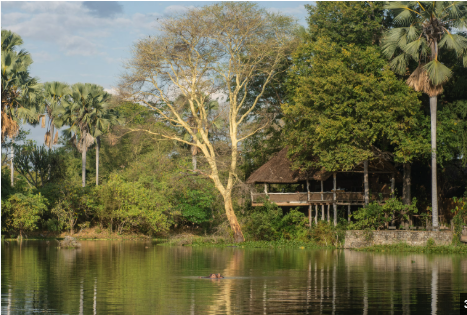
Malawi Travel Guide: Tea Estates, Liwonde Safaris & Lake Malawi

Malawi: Tea Fields, Lions and the Lake of Stars
Malawi is small by African standards, about an eighth the size of neighbouring Tanzania, but it packs in a remarkable range. In one trip you can sip tea grown on century-old estates, track lions on safari and snorkel among fish found nowhere else on Earth.
What makes it special is how each place gives back. On this route, inspired by a feature in National Geographic Traveller UK (July/August 2026), your visit helps fund wildlife protection, schools and sustainable fishing.
Why Malawi deserves a place on your list
Malawi is often called the “Warm Heart of Africa”, and travellers who go tend to agree. It is a landlocked country in southeastern Africa, wedged between Zambia, Tanzania and Mozambique, and roughly a fifth of its surface is covered by a single body of water: Lake Malawi. For a country of its size, it holds an unusual mix of landscapes. In the south, cool highlands are draped in tea. In the middle, river valleys and woodland shelter elephants and big cats. Along the east, a lake so large it has waves and beaches stretches toward the horizon.
For years, Malawi sat in the shadow of its better-known neighbours. Travellers flew over it on the way to Zambia’s walking safaris or Tanzania’s great migration. That is starting to change, and for good reasons. The country is compact, so you can move from tea estate to safari to beach in a single week without long internal flights. It is far less crowded than Africa’s headline parks, so a game drive often means having a sighting entirely to yourself. And it offers something many travellers now look for: proof that their money is doing good.
That last point is the thread running through this route. Each stop below is a working example of tourism supporting conservation and local livelihoods. A tea estate that protects forest corridors and runs a school. A national park that has brought back rhinos and lions after decades of poaching. A lakeshore charity that helps fishing families earn more by fishing less destructively. You don’t need to be an expert in sustainability to appreciate it. You simply see it in the people you meet: guides who grew up next to the park, tea tasters who studied at the estate school, villagers who now have a stake in the wildlife around them.
This is not a polished, luxury-only destination, and that is part of its charm. Roads can be slow, power can be patchy, and the pace of life is unhurried. In return, you get a trip that feels personal and genuine, in a country where a smile and a greeting in Chichewa (try moni, meaning hello) go a very long way.
Here is how to see the best of southern Malawi in three stops.
The route: three stops in southern Malawi
Stop 1: Satemwa Tea Estate, Shire Highlands
Founded in 1923, Satemwa is one of Africa’s oldest tea estates, and some of its original bushes still produce leaves. Its 3,700 acres of tea and coffee are woven with patches of mahogany forest that act as wildlife corridors.
- Birdwatching: more than 600 bird species have been recorded on the estate. Book a dawn walk with a resident guide.
- Tea tasting: Satemwa’s teas were the first in Malawi to be Fairtrade-certified, and some are now served at Claridge’s in London and Noma in Copenhagen.
- People first: about 1,200 people work here year-round, at least 60% of them women, and the estate school teaches 1,000 local children.
Stay at Huntingdon House, a 1930s colonial bungalow in the middle of the estate, with Mount Mulanje, Malawi’s highest peak, on the horizon.
A morning on the estate
The best way to understand Satemwa is to wake up early. Picking starts at sunrise, and by 6am teams of workers are moving between the rows, snapping off the freshest shoots. A plucked bush can produce new, pickable leaves in as little as a week, so the fields are worked in a constant rotation. Walking among them at dawn, with mist still clinging to the valleys and birdsong coming from the forest patches, is one of the most peaceful experiences in the country.
An early birdwatching walk is the ideal start. The estate’s resident guides know exactly where to look, and even non-birders tend to get hooked once they see a trumpeter hornbill flap overhead or a golden oriole flash yellow in the canopy. The woodland patches between the fields are not decoration: they shelter bushbuck, porcupines and hundreds of bird species, and they keep the soil and ecosystem healthy. Some trees, like albizia, also fix nitrogen in the soil, which helps the tea grow. It is farming that works with nature rather than against it.
From bush to cup
Later in the day, book a tasting in the estate’s factory. You will learn how the leaves are processed: spread out to lose moisture, rolled, oxidised and then fire-dried. The whole journey from bush to finished tea can take as little as 18 hours. Satemwa produces black, green, oolong, white and dark teas, and a guided tasting lines up a row of cups so you can compare them side by side.
The technique is simple, if a little undignified: sip, slurp loudly to pull air over the tea, and swish it around your mouth. Your tasting guide will likely have a favourite, and may well tell you to take your black tea the local way, with sugar and no milk. Before you leave, buy a few packets to take home. They make excellent, light souvenirs, and every purchase supports the estate and its workers.
Why it matters
Satemwa shows how a business can look after both people and land. Beyond its jobs and school, the estate supports dozens of local students through further education. For visitors, that context transforms a simple cup of tea into something more meaningful. As you walk back through the green fields with Mount Mulanje rising behind them, it is hard not to think differently about what goes into your morning brew.
Good to know: Satemwa is in the Thyolo area of the Shire Highlands, within easy driving distance of Blantyre’s airport, which makes it a natural first stop after you land. Nights at altitude can be chilly, so pack a warm layer.
Stop 2: Liwonde National Park, a safari reborn
Three hours north, Liwonde is one of Africa’s great conservation comebacks. Poaching once emptied the park of several species. Since the nonprofit African Parks took over in 2015, black rhinos, cheetahs, lions and wild dogs have been reintroduced, and over 40,000 wire snares removed.
- Game drives: watch for lions, elephants, kudu and jackals on the Shire River floodplain.
- River safaris: hippos and storks along the Shire, a tributary of the Zambezi.
- Walking safaris: follow tracks on foot with an armed guide, including ancient “hippo highways”.
- Community projects: farmers grow chilli fences and keep beehives along the park edge. Elephants dislike both, so the plants and bees protect crops and earn income.
Base yourself at Mvuu Lodge. Nearly all of its 80 staff come from nearby villages, most of its power is solar, and tourism revenue funds scholarships and eco-clubs at 15 local schools.
What a safari day looks like
Liwonde covers about 212 square miles of mopane woodland, floodplain and riverbank, with the broad Shire River forming its western edge. Most visitors arrive by boat, crossing the river to reach their lodge, and that first crossing sets the tone: hippos surfacing beside the hull, storks and fish eagles overhead, crocodiles basking on the sandbanks.
A typical day starts before sunrise with coffee and biscuits, then an early game drive while the animals are most active. You might find a bull elephant moving through the trees, kudu with spiralling horns standing perfectly still in the bush, or jackals trotting along the track. Mid-morning, you return for breakfast and a rest through the hottest hours. In the late afternoon you head out again, either by vehicle or by boat, and stay out as the light fades.
Dusk is when Liwonde often delivers its most memorable moments. Lions, reintroduced to the park in recent years, hunt as the temperature drops. Watching a pride slip through the grass toward grazing impala, freezing every time a baboon barks an alarm, is the kind of scene you remember for life. Because the park is far quieter than Africa’s famous reserves, you may share it with no other vehicles at all.
On foot and on the water
For many travellers, the walking safari is the highlight. With an armed ranger and guide, you set off from camp to read the bush up close: fresh rhino dung, cheetah tracks pressed into the sand, the bleached bones of an elephant, beds of wild basil that scent the air as you brush past. You learn to notice the small details, such as the worn paths hippos use night after night to move between the river and their grazing grounds, some of them likely in use for generations.
A river safari offers a completely different angle. Gliding along the Shire, you can get close to hippo pods and elephants coming down to drink, and enjoy some of the best birdwatching in the park. Bring binoculars and a camera with a decent zoom.
A park that is coming back to life
Liwonde’s story is one of recovery. For decades, poaching and conflict between people and wildlife took a heavy toll. Since African Parks took over management in 2015, the change has been dramatic. Black rhinos, cheetahs, lions and wild dogs have returned. Tens of thousands of snares have been cleared. More than 250 elephants have been moved to other Malawian parks to ease pressure on the ecosystem. There have been setbacks along the way, but the overall trend is clear.
Just as important is the work outside the park fence. Projects that help farmers grow chilli barriers and keep beehives give communities an income while keeping elephants away from crops. Local honey ends up on the breakfast table at the lodge, closing the loop between tourism, wildlife and people.
Good to know: Liwonde is a malaria area, so take advice on prevention, wear long sleeves at dusk and use repellent. Neutral colours are best on safari, and a light fleece is handy for early-morning drives.
Stop 3: Lake Malawi, the Lake of Stars
About three hours further north, Lake Malawi is a UNESCO World Heritage Site and one of the deepest lakes in the world. It is more than 350 miles long and holds at least 1,000 fish species, more than Europe and North America combined. At night, the lamps of fishing canoes twinkle across the water, which is how it got its nickname.
- Snorkel with cichlids: these colourful fish evolved into hundreds of species found only here.
- Kayak or sail: paddle along the shore or take a sunset dhow cruise.
- Sunrise hike: climb Pumulani mountain for views across the lake.
- Meet the fishers: in villages like Msaka, the charity Ripple Africa helps fishing communities switch to sustainable nets and fuel-saving cookstoves.
Stay at Pumulani Lodge, with hillside villas overlooking the lake and steps down to a private beach.
A freshwater sea
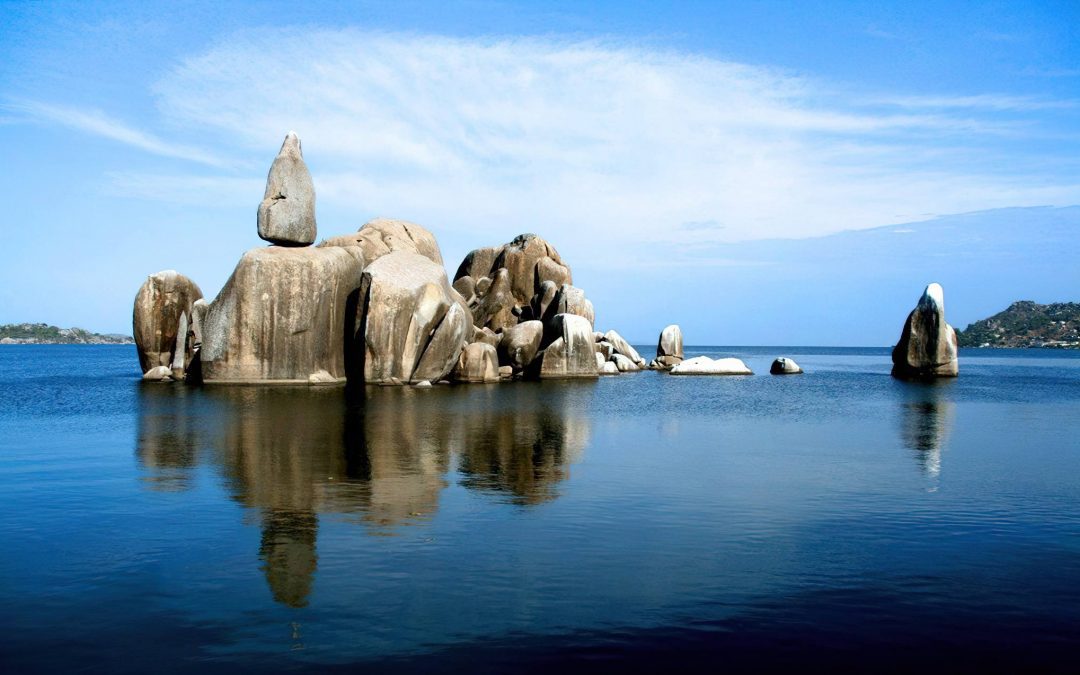
Nothing quite prepares you for the scale of Lake Malawi. It runs more than 350 miles from north to south and up to 50 miles across, filling a deep trough of Africa’s Great Rift Valley. Its deepest point lies around 2,300 feet below the surface. Stand on the shore and it looks like an ocean: there are waves, sandy beaches, rocky headlands and a horizon with no land in sight.
The southern end, around Cape Maclear and the Nankumba Peninsula, is the most popular area for visitors and lies within Lake Malawi National Park. It is about three hours by road from Liwonde, which makes it the perfect place to finish a trip: after early safari wake-ups, you can slow down, swim and simply watch the light change over the water.
Into the water
The lake’s biggest treasure is underwater. Its cichlids are one of the world’s most remarkable examples of evolution. From a few ancestors, these small fish have split into hundreds of species, each adapted to a slightly different way of life. Some graze algae off rocks, some hunt insects, some guard their young in their mouths. Almost all of them live here and nowhere else.
You don’t need to dive to see them. Pull on a mask and snorkel in a rocky bay, and within seconds you are surrounded by flashes of electric blue, yellow, orange and violet. The water is warm and generally calm, and the visibility can be excellent. Many lodges rent equipment and run guided snorkelling trips. Certified divers can also arrange freshwater dives, which feel very different from the sea: no salt, no tides, and fish that seem curious rather than shy.
Above the surface, there is plenty more to do. Kayak around the headlands in the calm of the morning, watching fish eagles perch in the trees. Take a sunset sail on a traditional wooden dhow. Hike up a nearby hill before dawn to watch the sun rise over the water, an experience that needs very few words.
Life on the lakeshore
Fishing is the backbone of life along the lake. Each evening, fleets of dugout canoes head out with lamps to attract fish, and each morning the catch is hauled onto the beach and sold right there on the sand. Watching the boats come in is a lively, colourful way to see village life.
It also highlights a real challenge. Some fishers use very fine nets, sometimes made from mosquito nets, that scoop up young fish and damage the lake’s food chain. Local charity Ripple Africa works with communities to change that, setting up village committees and showing that using legal, wider-mesh nets leads to bigger fish and better incomes over time. The charity also introduces simple mud-brick cookstoves that burn far less wood and produce less smoke, protecting both forests and family health. Its approach is about “a hand up rather than a handout”, and visiting with a local guide is a good way to learn how it works.
Good to know: the lake carries a risk of bilharzia, a parasite infection. It is easy to treat with a single course of medication taken a few weeks after swimming; ask your lodge or doctor about timing. Use reef-safe sunscreen and never touch or feed the fish.
A sample 9-day itinerary
This plan follows the same order as the route above and mirrors the stays the magazine recommends: two nights in the tea highlands, three on safari and four on the lake.
- Day 1: Arrive in Blantyre. Land at Chileka International Airport and transfer to Satemwa in the Shire Highlands. Settle into Huntingdon House, enjoy afternoon tea on the veranda and an early night by the fire.
- Day 2: Tea and birds. Dawn birdwatching walk, a tour of the fields and factory, and a guided tea tasting. In the afternoon, cycle or walk the estate trails with Mount Mulanje on the skyline.
- Day 3: To Liwonde. Drive about three hours north to Liwonde National Park. Cross the Shire River by boat to Mvuu Lodge and head out on your first afternoon game drive.
- Day 4: Safari by vehicle and boat. Early game drive, a lazy midday at camp, then a river safari among hippos and elephants as the sun sets.
- Day 5: On foot. A morning walking safari with a ranger, followed by a visit to a community project such as the chilli fences or beehives. Final evening drive in search of lions.
- Day 6: To the lake. Drive about three hours to the southern shore of Lake Malawi. Check into your lakeside lodge and swim before sunset.
- Day 7: Underwater world. Snorkel among the cichlids in the morning and kayak along the shore in the afternoon.
- Day 8: Lake life. A sunrise hike for views across the water, a visit to a fishing village to see the morning catch come in, and a sunset dhow cruise.
- Day 9: Departure. A final swim and breakfast, then transfer back to the airport for your flight home.
Short on time? Drop the tea estate and fly into Lilongwe instead, combining three nights at Liwonde with three on the lake. Have more time? Add the Zomba Plateau, which rises above Malawi’s former capital, or a few nights at Majete Wildlife Reserve, another African Parks success story in the south.
Plan your trip
Go between May and October for the best wildlife viewing, and allow at least nine nights for all three stops.
- Getting there: Ethiopian Airlines flies to Blantyre via Addis Ababa. From the UK, the flight takes about 14 hours.
- When to go: the dry season (May–October) is best for safaris. The green wet season rewards birdwatchers.
- Festival: the three-day Lake of Stars arts festival runs every October on the lakeshore, with music, dance and theatre.
- Health: the lake is generally safe for swimming, but bilharzia is a risk. Lodges often provide anti-bilharzia medication; ask them or your doctor when to take it. Check malaria advice with your doctor before you go.
- Getting around: drives between stops take about three hours each, so plan road transfers with your lodges or tour operator.
- Guidebook: Bradt’s Malawi (9th edition) covers history and wildlife in depth.
- Prefer a package? Rainbow Tours offers a nine-night trip from £4,820 per person, including flights, transfers, meals, activities and stays at Huntingdon House, Mvuu Lodge and Pumulani Lodge, according to the magazine.
Money and budget
The local currency is the Malawian kwacha (MWK). Lodges and tour operators usually quote prices in US dollars, and most safari and lake lodges price their stays per person, often including meals and activities. Cash is still important outside the main lodges, so carry some small notes for markets, tips and village visits. Card machines and ATMs are mostly found in the cities, such as Blantyre and Lilongwe, and can be unreliable, so don’t count on them in remote areas.
As a rough guide, a fully packaged nine-night trip with flights from the UK starts from around £4,820 per person, based on the operator price quoted in the magazine. Travellers on a tighter budget can cut costs with simpler lakeside guesthouses, shared transfers and fewer nights in the national park. Always check current prices directly with lodges and operators before booking.
What to pack
- Layers: warm fleece for highland nights and early game drives, light breathable clothing for daytime
- Safari colours: khaki, olive and beige; avoid bright white and dark blue, which attracts tsetse flies in some areas
- Sun and bug protection: wide-brimmed hat, sunglasses, high-factor sunscreen and insect repellent
- Water gear: swimwear, quick-dry towel, and your own snorkel mask if you prefer a perfect fit
- Practical extras: binoculars, a headlamp for power cuts, a reusable water bottle, a universal adapter and a small first-aid kit
- Documents: passport with blank pages, travel insurance details, and copies of bookings
Entry, health and insurance
Entry requirements for Malawi change from time to time, so check the latest visa and passport rules with your government’s travel advice and the Malawian authorities before you book. See a travel health clinic at least six weeks before departure for advice on vaccinations and malaria prevention. Comprehensive travel insurance that covers medical evacuation is strongly recommended, as some lodges are several hours from a major hospital.
Language and etiquette
English and Chichewa are the main languages, and English is widely spoken in tourism. A few words of Chichewa will win you smiles: moni (hello), zikomo (thank you) and muli bwanji? (how are you?). Dress modestly in villages and towns, covering shoulders and knees, and always ask before photographing people.
How to travel responsibly in Malawi
The places on this route work because tourism and conservation support each other. You can strengthen that cycle with a few simple choices.
- Stay where your money stays local. Choose lodges that employ people from nearby villages, buy local produce and fund community projects. Ask about their staff, energy use and outreach before you book; good operators are proud to explain.
- Use local guides. Guides who grew up next to the parks and lakeshore bring stories you won’t find in any guidebook, and every booking supports a skilled local job. Many lodges now train young guides from neighbouring communities.
- Respect wildlife. Keep your distance, never feed animals, and follow your guide’s instructions on walks and drives. On the lake, don’t touch or remove fish, shells or rocks.
- Buy thoughtfully. Pick up tea from Satemwa, honey from community beekeepers or crafts from local artisans. Avoid souvenirs made from wildlife products, coral or shells.
- Visit communities with care. Go with a guide or an established project, ask before taking photos, and listen as much as you look. A village visit should feel like a meeting, not a show.
- Tip fairly. Tipping is customary for guides, trackers and lodge staff. Your lodge can suggest appropriate amounts, often shared through a staff tip box.
- Reduce your footprint. Bring a refillable bottle, refuse single-use plastics, and keep showers short: water and power are precious in many areas.
- Give through trusted channels. If you want to support schools or conservation, donate through your lodge, African Parks or established charities like Ripple Africa, rather than handing out money or sweets to children.
Small gestures add up. In a country where tourism is still growing, every thoughtful traveller helps show that protecting nature and supporting people go hand in hand.
Frequently asked questions
Is Malawi good for a first safari? Yes. Liwonde is compact, uncrowded and well run, with excellent guides and a mix of drives, walks and boat safaris. You won’t see the huge herds of East Africa’s plains, but you will enjoy intimate sightings, often with no other vehicles around. For many travellers, that quieter experience is exactly the appeal.
Can you see the Big Five in Malawi? After years of reintroductions, Malawi’s parks now hold all of the Big Five between them, though sightings depend on the park, the season and luck. Liwonde has elephants, lions, black rhinos and buffalo; for the best chance of seeing all five, ask your operator about combining it with Majete Wildlife Reserve.
Is Lake Malawi safe to swim in? Generally, yes, and swimming and snorkelling are highlights of any visit. The main risk is bilharzia, which is easy to treat with medication. Swim in areas recommended by your lodge, avoid reedy, still water, and follow medical advice on treatment after your trip.
How many days do I need? Nine nights is ideal for the three stops in this guide. With a week, focus on Liwonde and the lake. With two weeks, add the Zomba Plateau, Majete or the beaches further north along the lake.
What is the best month to visit? May to October, the dry season, is best for wildlife, with cooler mornings early on and hotter days toward September and October. October is also when the Lake of Stars festival takes place. The wet season, roughly November to April, is greener, quieter and excellent for birdwatching.
Do I need to book a tour, or can I travel independently? Both work. A tour operator handles flights, transfers and lodge bookings, which saves time given the slow roads and limited public transport. Independent travel is possible and cheaper, but allow extra time and arrange transfers through your lodges.
Is Malawi expensive? The country itself is affordable, but quality safari lodges carry international prices because they include meals, guiding and park fees. Lakeside guesthouses and local restaurants are far cheaper. Mixing the two is a good way to balance comfort and cost.
Is Malawi safe for tourists? Malawi has a reputation as one of the friendliest countries in Africa. Take normal precautions: avoid walking alone at night in cities, keep valuables out of sight and check your government’s latest travel advice before you go.

Written by
More From This Category
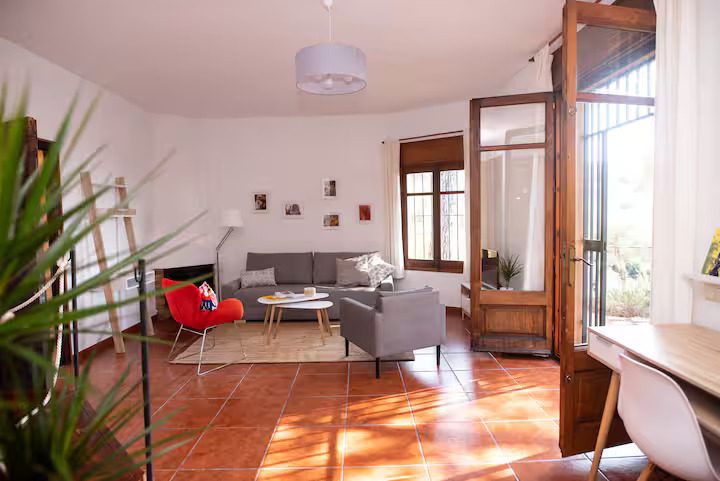
A Mediterranean Dream
read more
A Mediterranean Dream
Nestled along the Catalonian coast, just a short drive from Barcelona, Cabrils is a charming village that seems to exist in perfect harmony with the sea and the surrounding mountains. It’s not the kind of place that overwhelms you with crowds or flashy attractions. Instead, it invites you to slow down, to breathe, and to immerse yourself in a gentler rhythm of life. For three days, this tranquil corner of Spain became our home—and at the heart of our experience was Carla, our exceptional Airbnb host.
Comments
Our Newsletter
 English
 Français
 Español