Malawi Travel Guide: Tea Estates, Liwonde Safaris & Lake Malawi

Malawi Travel Guide: Tea Estates, Liwonde Safaris & Lake Malawi

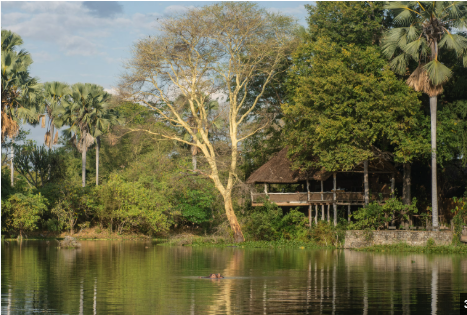
Malawi: Tea Fields, Lions and the Lake of Stars

Malawi is small by African standards, about an eighth the size of neighbouring Tanzania, but it packs in a remarkable range. In one trip you can sip tea grown on century-old estates, track lions on safari and snorkel among fish found nowhere else on Earth.

What makes it special is how each place gives back. On this route, inspired by a feature in National Geographic Traveller UK (July/August 2026), your visit helps fund wildlife protection, schools and sustainable fishing.

Why Malawi deserves a place on your list

Malawi is often called the “Warm Heart of Africa”, and travellers who go tend to agree. It is a landlocked country in southeastern Africa, wedged between Zambia, Tanzania and Mozambique, and roughly a fifth of its surface is covered by a single body of water: Lake Malawi. For a country of its size, it holds an unusual mix of landscapes. In the south, cool highlands are draped in tea. In the middle, river valleys and woodland shelter elephants and big cats. Along the east, a lake so large it has waves and beaches stretches toward the horizon.

For years, Malawi sat in the shadow of its better-known neighbours. Travellers flew over it on the way to Zambia’s walking safaris or Tanzania’s great migration. That is starting to change, and for good reasons. The country is compact, so you can move from tea estate to safari to beach in a single week without long internal flights. It is far less crowded than Africa’s headline parks, so a game drive often means having a sighting entirely to yourself. And it offers something many travellers now look for: proof that their money is doing good.

That last point is the thread running through this route. Each stop below is a working example of tourism supporting conservation and local livelihoods. A tea estate that protects forest corridors and runs a school. A national park that has brought back rhinos and lions after decades of poaching. A lakeshore charity that helps fishing families earn more by fishing less destructively. You don’t need to be an expert in sustainability to appreciate it. You simply see it in the people you meet: guides who grew up next to the park, tea tasters who studied at the estate school, villagers who now have a stake in the wildlife around them.

This is not a polished, luxury-only destination, and that is part of its charm. Roads can be slow, power can be patchy, and the pace of life is unhurried. In return, you get a trip that feels personal and genuine, in a country where a smile and a greeting in Chichewa (try moni, meaning hello) go a very long way.

Here is how to see the best of southern Malawi in three stops.

The route: three stops in southern Malawi

Stop 1: Satemwa Tea Estate, Shire Highlands

Founded in 1923, Satemwa is one of Africa’s oldest tea estates, and some of its original bushes still produce leaves. Its 3,700 acres of tea and coffee are woven with patches of mahogany forest that act as wildlife corridors.

  • Birdwatching: more than 600 bird species have been recorded on the estate. Book a dawn walk with a resident guide.
  • Tea tasting: Satemwa’s teas were the first in Malawi to be Fairtrade-certified, and some are now served at Claridge’s in London and Noma in Copenhagen.
  • People first: about 1,200 people work here year-round, at least 60% of them women, and the estate school teaches 1,000 local children.

Stay at Huntingdon House, a 1930s colonial bungalow in the middle of the estate, with Mount Mulanje, Malawi’s highest peak, on the horizon.

A morning on the estate

The best way to understand Satemwa is to wake up early. Picking starts at sunrise, and by 6am teams of workers are moving between the rows, snapping off the freshest shoots. A plucked bush can produce new, pickable leaves in as little as a week, so the fields are worked in a constant rotation. Walking among them at dawn, with mist still clinging to the valleys and birdsong coming from the forest patches, is one of the most peaceful experiences in the country.

An early birdwatching walk is the ideal start. The estate’s resident guides know exactly where to look, and even non-birders tend to get hooked once they see a trumpeter hornbill flap overhead or a golden oriole flash yellow in the canopy. The woodland patches between the fields are not decoration: they shelter bushbuck, porcupines and hundreds of bird species, and they keep the soil and ecosystem healthy. Some trees, like albizia, also fix nitrogen in the soil, which helps the tea grow. It is farming that works with nature rather than against it.

From bush to cup

Later in the day, book a tasting in the estate’s factory. You will learn how the leaves are processed: spread out to lose moisture, rolled, oxidised and then fire-dried. The whole journey from bush to finished tea can take as little as 18 hours. Satemwa produces black, green, oolong, white and dark teas, and a guided tasting lines up a row of cups so you can compare them side by side.

The technique is simple, if a little undignified: sip, slurp loudly to pull air over the tea, and swish it around your mouth. Your tasting guide will likely have a favourite, and may well tell you to take your black tea the local way, with sugar and no milk. Before you leave, buy a few packets to take home. They make excellent, light souvenirs, and every purchase supports the estate and its workers.

Why it matters

Satemwa shows how a business can look after both people and land. Beyond its jobs and school, the estate supports dozens of local students through further education. For visitors, that context transforms a simple cup of tea into something more meaningful. As you walk back through the green fields with Mount Mulanje rising behind them, it is hard not to think differently about what goes into your morning brew.

Good to know: Satemwa is in the Thyolo area of the Shire Highlands, within easy driving distance of Blantyre’s airport, which makes it a natural first stop after you land. Nights at altitude can be chilly, so pack a warm layer.

Stop 2: Liwonde National Park, a safari reborn

Three hours north, Liwonde is one of Africa’s great conservation comebacks. Poaching once emptied the park of several species. Since the nonprofit African Parks took over in 2015, black rhinos, cheetahs, lions and wild dogs have been reintroduced, and over 40,000 wire snares removed.

  • Game drives: watch for lions, elephants, kudu and jackals on the Shire River floodplain.
  • River safaris: hippos and storks along the Shire, a tributary of the Zambezi.
  • Walking safaris: follow tracks on foot with an armed guide, including ancient “hippo highways”.
  • Community projects: farmers grow chilli fences and keep beehives along the park edge. Elephants dislike both, so the plants and bees protect crops and earn income.

Base yourself at Mvuu Lodge. Nearly all of its 80 staff come from nearby villages, most of its power is solar, and tourism revenue funds scholarships and eco-clubs at 15 local schools.

What a safari day looks like

Liwonde covers about 212 square miles of mopane woodland, floodplain and riverbank, with the broad Shire River forming its western edge. Most visitors arrive by boat, crossing the river to reach their lodge, and that first crossing sets the tone: hippos surfacing beside the hull, storks and fish eagles overhead, crocodiles basking on the sandbanks.

A typical day starts before sunrise with coffee and biscuits, then an early game drive while the animals are most active. You might find a bull elephant moving through the trees, kudu with spiralling horns standing perfectly still in the bush, or jackals trotting along the track. Mid-morning, you return for breakfast and a rest through the hottest hours. In the late afternoon you head out again, either by vehicle or by boat, and stay out as the light fades.

Dusk is when Liwonde often delivers its most memorable moments. Lions, reintroduced to the park in recent years, hunt as the temperature drops. Watching a pride slip through the grass toward grazing impala, freezing every time a baboon barks an alarm, is the kind of scene you remember for life. Because the park is far quieter than Africa’s famous reserves, you may share it with no other vehicles at all.

On foot and on the water

For many travellers, the walking safari is the highlight. With an armed ranger and guide, you set off from camp to read the bush up close: fresh rhino dung, cheetah tracks pressed into the sand, the bleached bones of an elephant, beds of wild basil that scent the air as you brush past. You learn to notice the small details, such as the worn paths hippos use night after night to move between the river and their grazing grounds, some of them likely in use for generations.

A river safari offers a completely different angle. Gliding along the Shire, you can get close to hippo pods and elephants coming down to drink, and enjoy some of the best birdwatching in the park. Bring binoculars and a camera with a decent zoom.

A park that is coming back to life

Liwonde’s story is one of recovery. For decades, poaching and conflict between people and wildlife took a heavy toll. Since African Parks took over management in 2015, the change has been dramatic. Black rhinos, cheetahs, lions and wild dogs have returned. Tens of thousands of snares have been cleared. More than 250 elephants have been moved to other Malawian parks to ease pressure on the ecosystem. There have been setbacks along the way, but the overall trend is clear.

Just as important is the work outside the park fence. Projects that help farmers grow chilli barriers and keep beehives give communities an income while keeping elephants away from crops. Local honey ends up on the breakfast table at the lodge, closing the loop between tourism, wildlife and people.

Good to know: Liwonde is a malaria area, so take advice on prevention, wear long sleeves at dusk and use repellent. Neutral colours are best on safari, and a light fleece is handy for early-morning drives.

Stop 3: Lake Malawi, the Lake of Stars

About three hours further north, Lake Malawi is a UNESCO World Heritage Site and one of the deepest lakes in the world. It is more than 350 miles long and holds at least 1,000 fish species, more than Europe and North America combined. At night, the lamps of fishing canoes twinkle across the water, which is how it got its nickname.

  • Snorkel with cichlids: these colourful fish evolved into hundreds of species found only here.
  • Kayak or sail: paddle along the shore or take a sunset dhow cruise.
  • Sunrise hike: climb Pumulani mountain for views across the lake.
  • Meet the fishers: in villages like Msaka, the charity Ripple Africa helps fishing communities switch to sustainable nets and fuel-saving cookstoves.

Stay at Pumulani Lodge, with hillside villas overlooking the lake and steps down to a private beach.

A freshwater sea

Nothing quite prepares you for the scale of Lake Malawi. It runs more than 350 miles from north to south and up to 50 miles across, filling a deep trough of Africa’s Great Rift Valley. Its deepest point lies around 2,300 feet below the surface. Stand on the shore and it looks like an ocean: there are waves, sandy beaches, rocky headlands and a horizon with no land in sight.

The southern end, around Cape Maclear and the Nankumba Peninsula, is the most popular area for visitors and lies within Lake Malawi National Park. It is about three hours by road from Liwonde, which makes it the perfect place to finish a trip: after early safari wake-ups, you can slow down, swim and simply watch the light change over the water.

Into the water

The lake’s biggest treasure is underwater. Its cichlids are one of the world’s most remarkable examples of evolution. From a few ancestors, these small fish have split into hundreds of species, each adapted to a slightly different way of life. Some graze algae off rocks, some hunt insects, some guard their young in their mouths. Almost all of them live here and nowhere else.

You don’t need to dive to see them. Pull on a mask and snorkel in a rocky bay, and within seconds you are surrounded by flashes of electric blue, yellow, orange and violet. The water is warm and generally calm, and the visibility can be excellent. Many lodges rent equipment and run guided snorkelling trips. Certified divers can also arrange freshwater dives, which feel very different from the sea: no salt, no tides, and fish that seem curious rather than shy.

Above the surface, there is plenty more to do. Kayak around the headlands in the calm of the morning, watching fish eagles perch in the trees. Take a sunset sail on a traditional wooden dhow. Hike up a nearby hill before dawn to watch the sun rise over the water, an experience that needs very few words.

Life on the lakeshore

Fishing is the backbone of life along the lake. Each evening, fleets of dugout canoes head out with lamps to attract fish, and each morning the catch is hauled onto the beach and sold right there on the sand. Watching the boats come in is a lively, colourful way to see village life.

It also highlights a real challenge. Some fishers use very fine nets, sometimes made from mosquito nets, that scoop up young fish and damage the lake’s food chain. Local charity Ripple Africa works with communities to change that, setting up village committees and showing that using legal, wider-mesh nets leads to bigger fish and better incomes over time. The charity also introduces simple mud-brick cookstoves that burn far less wood and produce less smoke, protecting both forests and family health. Its approach is about “a hand up rather than a handout”, and visiting with a local guide is a good way to learn how it works.

Good to know: the lake carries a risk of bilharzia, a parasite infection. It is easy to treat with a single course of medication taken a few weeks after swimming; ask your lodge or doctor about timing. Use reef-safe sunscreen and never touch or feed the fish.

A sample 9-day itinerary

This plan follows the same order as the route above and mirrors the stays the magazine recommends: two nights in the tea highlands, three on safari and four on the lake.

  1. Day 1: Arrive in Blantyre. Land at Chileka International Airport and transfer to Satemwa in the Shire Highlands. Settle into Huntingdon House, enjoy afternoon tea on the veranda and an early night by the fire.
  2. Day 2: Tea and birds. Dawn birdwatching walk, a tour of the fields and factory, and a guided tea tasting. In the afternoon, cycle or walk the estate trails with Mount Mulanje on the skyline.
  3. Day 3: To Liwonde. Drive about three hours north to Liwonde National Park. Cross the Shire River by boat to Mvuu Lodge and head out on your first afternoon game drive.
  4. Day 4: Safari by vehicle and boat. Early game drive, a lazy midday at camp, then a river safari among hippos and elephants as the sun sets.
  5. Day 5: On foot. A morning walking safari with a ranger, followed by a visit to a community project such as the chilli fences or beehives. Final evening drive in search of lions.
  6. Day 6: To the lake. Drive about three hours to the southern shore of Lake Malawi. Check into your lakeside lodge and swim before sunset.
  7. Day 7: Underwater world. Snorkel among the cichlids in the morning and kayak along the shore in the afternoon.
  8. Day 8: Lake life. A sunrise hike for views across the water, a visit to a fishing village to see the morning catch come in, and a sunset dhow cruise.
  9. Day 9: Departure. A final swim and breakfast, then transfer back to the airport for your flight home.

Short on time? Drop the tea estate and fly into Lilongwe instead, combining three nights at Liwonde with three on the lake. Have more time? Add the Zomba Plateau, which rises above Malawi’s former capital, or a few nights at Majete Wildlife Reserve, another African Parks success story in the south.

Plan your trip

Go between May and October for the best wildlife viewing, and allow at least nine nights for all three stops.

  • Getting there: Ethiopian Airlines flies to Blantyre via Addis Ababa. From the UK, the flight takes about 14 hours.
  • When to go: the dry season (May–October) is best for safaris. The green wet season rewards birdwatchers.
  • Festival: the three-day Lake of Stars arts festival runs every October on the lakeshore, with music, dance and theatre.
  • Health: the lake is generally safe for swimming, but bilharzia is a risk. Lodges often provide anti-bilharzia medication; ask them or your doctor when to take it. Check malaria advice with your doctor before you go.
  • Getting around: drives between stops take about three hours each, so plan road transfers with your lodges or tour operator.
  • Guidebook: Bradt’s Malawi (9th edition) covers history and wildlife in depth.
  • Prefer a package? Rainbow Tours offers a nine-night trip from £4,820 per person, including flights, transfers, meals, activities and stays at Huntingdon House, Mvuu Lodge and Pumulani Lodge, according to the magazine.

Money and budget

The local currency is the Malawian kwacha (MWK). Lodges and tour operators usually quote prices in US dollars, and most safari and lake lodges price their stays per person, often including meals and activities. Cash is still important outside the main lodges, so carry some small notes for markets, tips and village visits. Card machines and ATMs are mostly found in the cities, such as Blantyre and Lilongwe, and can be unreliable, so don’t count on them in remote areas.

As a rough guide, a fully packaged nine-night trip with flights from the UK starts from around £4,820 per person, based on the operator price quoted in the magazine. Travellers on a tighter budget can cut costs with simpler lakeside guesthouses, shared transfers and fewer nights in the national park. Always check current prices directly with lodges and operators before booking.

What to pack

  • Layers: warm fleece for highland nights and early game drives, light breathable clothing for daytime
  • Safari colours: khaki, olive and beige; avoid bright white and dark blue, which attracts tsetse flies in some areas
  • Sun and bug protection: wide-brimmed hat, sunglasses, high-factor sunscreen and insect repellent
  • Water gear: swimwear, quick-dry towel, and your own snorkel mask if you prefer a perfect fit
  • Practical extras: binoculars, a headlamp for power cuts, a reusable water bottle, a universal adapter and a small first-aid kit
  • Documents: passport with blank pages, travel insurance details, and copies of bookings

Entry, health and insurance

Entry requirements for Malawi change from time to time, so check the latest visa and passport rules with your government’s travel advice and the Malawian authorities before you book. See a travel health clinic at least six weeks before departure for advice on vaccinations and malaria prevention. Comprehensive travel insurance that covers medical evacuation is strongly recommended, as some lodges are several hours from a major hospital.

Language and etiquette

English and Chichewa are the main languages, and English is widely spoken in tourism. A few words of Chichewa will win you smiles: moni (hello), zikomo (thank you) and muli bwanji? (how are you?). Dress modestly in villages and towns, covering shoulders and knees, and always ask before photographing people.

How to travel responsibly in Malawi

The places on this route work because tourism and conservation support each other. You can strengthen that cycle with a few simple choices.

  1. Stay where your money stays local. Choose lodges that employ people from nearby villages, buy local produce and fund community projects. Ask about their staff, energy use and outreach before you book; good operators are proud to explain.
  2. Use local guides. Guides who grew up next to the parks and lakeshore bring stories you won’t find in any guidebook, and every booking supports a skilled local job. Many lodges now train young guides from neighbouring communities.
  3. Respect wildlife. Keep your distance, never feed animals, and follow your guide’s instructions on walks and drives. On the lake, don’t touch or remove fish, shells or rocks.
  4. Buy thoughtfully. Pick up tea from Satemwa, honey from community beekeepers or crafts from local artisans. Avoid souvenirs made from wildlife products, coral or shells.
  5. Visit communities with care. Go with a guide or an established project, ask before taking photos, and listen as much as you look. A village visit should feel like a meeting, not a show.
  6. Tip fairly. Tipping is customary for guides, trackers and lodge staff. Your lodge can suggest appropriate amounts, often shared through a staff tip box.
  7. Reduce your footprint. Bring a refillable bottle, refuse single-use plastics, and keep showers short: water and power are precious in many areas.
  8. Give through trusted channels. If you want to support schools or conservation, donate through your lodge, African Parks or established charities like Ripple Africa, rather than handing out money or sweets to children.

Small gestures add up. In a country where tourism is still growing, every thoughtful traveller helps show that protecting nature and supporting people go hand in hand.

Frequently asked questions

Is Malawi good for a first safari? Yes. Liwonde is compact, uncrowded and well run, with excellent guides and a mix of drives, walks and boat safaris. You won’t see the huge herds of East Africa’s plains, but you will enjoy intimate sightings, often with no other vehicles around. For many travellers, that quieter experience is exactly the appeal.

Can you see the Big Five in Malawi? After years of reintroductions, Malawi’s parks now hold all of the Big Five between them, though sightings depend on the park, the season and luck. Liwonde has elephants, lions, black rhinos and buffalo; for the best chance of seeing all five, ask your operator about combining it with Majete Wildlife Reserve.

Is Lake Malawi safe to swim in? Generally, yes, and swimming and snorkelling are highlights of any visit. The main risk is bilharzia, which is easy to treat with medication. Swim in areas recommended by your lodge, avoid reedy, still water, and follow medical advice on treatment after your trip.

How many days do I need? Nine nights is ideal for the three stops in this guide. With a week, focus on Liwonde and the lake. With two weeks, add the Zomba Plateau, Majete or the beaches further north along the lake.

What is the best month to visit? May to October, the dry season, is best for wildlife, with cooler mornings early on and hotter days toward September and October. October is also when the Lake of Stars festival takes place. The wet season, roughly November to April, is greener, quieter and excellent for birdwatching.

Do I need to book a tour, or can I travel independently? Both work. A tour operator handles flights, transfers and lodge bookings, which saves time given the slow roads and limited public transport. Independent travel is possible and cheaper, but allow extra time and arrange transfers through your lodges.

Is Malawi expensive? The country itself is affordable, but quality safari lodges carry international prices because they include meals, guiding and park fees. Lakeside guesthouses and local restaurants are far cheaper. Mixing the two is a good way to balance comfort and cost.

Is Malawi safe for tourists? Malawi has a reputation as one of the friendliest countries in Africa. Take normal precautions: avoid walking alone at night in cities, keep valuables out of sight and check your government’s latest travel advice before you go.


Written by Kariss

More From This Category

A Mediterranean Dream

A Mediterranean Dream

Nestled along the Catalonian coast, just a short drive from Barcelona, Cabrils is a charming village that seems to exist in perfect harmony with the sea and the surrounding mountains. It’s not the kind of place that overwhelms you with crowds or flashy attractions. Instead, it invites you to slow down, to breathe, and to immerse yourself in a gentler rhythm of life. For three days, this tranquil corner of Spain became our home—and at the heart of our experience was Carla, our exceptional Airbnb host.
read more
A Mediterranean Dream

A Mediterranean Dream

Nestled along the Catalonian coast, just a short drive from Barcelona, Cabrils is a charming village that seems to exist in perfect harmony with the sea and the surrounding mountains. It’s not the kind of place that overwhelms you with crowds or flashy attractions. Instead, it invites you to slow down, to breathe, and to immerse yourself in a gentler rhythm of life. For three days, this tranquil corner of Spain became our home—and at the heart of our experience was Carla, our exceptional Airbnb host.

read more

Comments

Our Newsletter

A Mediterranean Dream

A Mediterranean Dream

A Mediterranean Dream: Our Unforgettable Family Stay in Cabrils, Spain

Some trips are remembered for the landmarks you visit. Others stay with you because of how they made you feel—calm, connected, and deeply present. Our three-day family getaway to Cabrils, Spain, belongs firmly in the second category. It wasn’t just another destination on a map; it became a meaningful experience shaped by warmth, beauty, and a level of hospitality that exceeded all our expectations.

At the heart of it all was Carla and her stunning beach house—an Airbnb gem that turned our vacation into something truly unforgettable. If you’re thinking about visiting this part of Spain, you can find her place here:
👉 https://www.airbnb.com/rooms/36926111?source_impression_id=p3_1779710522_P37a37i77mrhKC_X

Let me take you through our experience.

Arrival in Cabrils: First Impressions

After landing in Barcelona and making the scenic drive north along the coast, we arrived in Cabrils with a sense of anticipation. The Mediterranean sun cast a golden glow over the terracotta rooftops, and the gentle breeze carried the scent of saltwater mixed with blooming flowers. It immediately felt like the kind of place where memories are made effortlessly.

Carla’s home was easy to find, but what truly set the tone for our stay was the warm welcome that awaited us. From the moment we arrived, Carla greeted us not as guests, but as friends. There was a sincerity in her smile, a genuine warmth in her demeanor, that immediately put us at ease. Traveling with family—especially with different personalities and expectations—can sometimes be stressful, but Carla’s presence dissolved any lingering tension from our journey.

She took the time to show us around the house, pointing out thoughtful details and ensuring we had everything we needed. It wasn’t a rushed handoff of keys; it was a meaningful introduction to what would become our home for the next three days.

The House: A Coastal Sanctuary

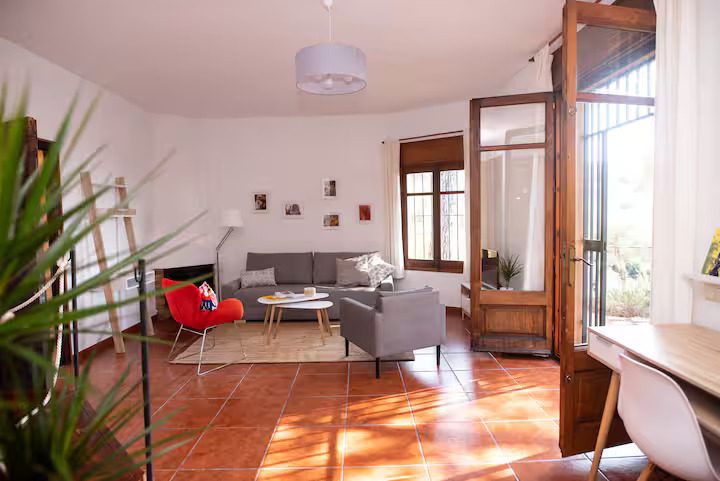
Carla’s beach house is nothing short of beautiful. From the outside, it blends seamlessly with the surrounding architecture, but step inside and you’re greeted with a space that feels both elegant and inviting.

The home was impeccably clean—one of the first things we noticed—and thoughtfully arranged to balance comfort with style. Natural light poured through large windows, illuminating the living spaces and creating an airy, uplifting atmosphere. The décor was tasteful, with subtle coastal touches that reminded us of our proximity to the sea without ever feeling overdone.

Each room had its own charm. The bedrooms were comfortable and peaceful, offering the perfect retreat after long days of exploring. The kitchen was fully equipped, making it easy for us to prepare meals together—a simple pleasure that often becomes one of the most cherished parts of family trips.

But what truly set the home apart was how it made us feel. It wasn’t just a place to stay; it was a space where we could relax completely, where conversations flowed easily, and where we could enjoy each other’s company without distraction.

A Special Touch: Celebrating My Birthday

Of all the moments that defined our stay, one stands above the rest—a gesture so thoughtful that it transformed an already wonderful trip into something truly unforgettable.

We had mentioned, almost in passing, that we would be celebrating my birthday during our stay. It wasn’t something we expected Carla to act upon—it was merely part of our travel context.

So imagine our surprise when, upon returning to the house one afternoon, we were greeted by a stunning arrangement of flowers displayed in a large vase. The bouquet was vibrant and elegant, clearly chosen with care. It wasn’t just a decoration; it was a heartfelt gift.

I was genuinely touched. In that moment, Carla’s home became more than just a rental—it became part of our celebration, part of our story. That simple act of kindness elevated the entire experience. It reminded us that hospitality, at its best, is about connection and thoughtfulness, not just accommodation.

We spent that evening celebrating together in the house, the flowers at the center of our table, adding beauty and meaning to an already special day.

Exploring Cabrils: A Hidden Gem

While Carla’s home was a destination in itself, Cabrils offered plenty to explore. The village has a charm that is both understated and captivating.

We spent our mornings wandering through quiet streets, discovering local cafés and bakeries. There’s something uniquely satisfying about starting the day with freshly baked pastries and strong coffee, surrounded by locals going about their daily routines.

The proximity to the beach was one of the highlights of our stay. A short drive brought us to the sparkling Mediterranean, where we spent hours enjoying the sun, the sand, and the soothing rhythm of the waves. The beaches in this area are less crowded than those closer to Barcelona, allowing for a more relaxed and intimate experience.

Afternoons were often spent exploring nearby areas or simply relaxing back at the house. The balance between activity and rest felt natural here—there was no pressure to “do” anything. Instead, we found joy in simply being together.

Dining and Local Flavors

Cabrils is known for its exceptional dining scene, often referred to as the “gastronomic village” of the region. Despite its small size, it boasts a variety of restaurants that offer everything from traditional Catalan cuisine to more modern culinary experiences.

We took full advantage of this during our stay. One evening, we dined at a local restaurant recommended by Carla. The meal was unforgettable—fresh seafood, perfectly seasoned dishes, and a warm, welcoming atmosphere.

Another evening, we chose to cook at home. With ingredients purchased from local markets, we prepared a simple yet delicious meal. There’s something deeply satisfying about cooking with fresh, local ingredients, especially when shared with family in a beautiful setting.

Each meal, whether dining out or in, became an opportunity to connect, to reflect on the day, and to appreciate the richness of the experience.

Carla: The Heart of the Experience

While the location and the house were exceptional, it was Carla who truly made our stay remarkable.

Her attentiveness was evident from start to finish. She was always responsive, quick to answer any questions we had, and ready to assist whenever needed. Yet, she managed to strike the perfect balance—always available, but never intrusive.

What stood out most was her genuine care. It wasn’t just about providing a service; it was about ensuring that we had the best possible experience. The birthday surprise was just one example of this, but her kindness was present in every interaction.

Travel often exposes you to different cultures and places, but it’s the people you meet along the way who leave the deepest impression. Carla is one of those people.

Family Time: The True Essence of the Trip

Beyond the beautiful surroundings and thoughtful hospitality, what made this trip truly special was the time spent together as a family.

In our daily lives, it’s easy to get caught up in routines and responsibilities. Moments of genuine connection can become rare. But in Cabrils, those moments came naturally.

We talked more, laughed more, and simply enjoyed each other’s company in a way that felt effortless. Whether it was sharing meals, exploring the village, or relaxing in the house, every experience was enriched by being together.

The environment—the calmness of the setting, the comfort of the home—played a significant role in this. It created the space for us to reconnect, to slow down, and to appreciate what truly matters.

A Few Practical Notes

For anyone considering a stay in Cabrils or at Carla’s home, there are a few practical aspects worth noting:

  • Location: Perfectly situated for those who want to be near Barcelona without being in the middle of the city’s hustle and bustle.
  • Accessibility: A car is recommended to fully explore the area and nearby beaches.
  • Atmosphere: Ideal for families, couples, or anyone looking for a शांत and relaxing getaway.
  • Host Experience: Carla sets a high standard for hospitality—expect a seamless and welcoming stay.

Departure: Leaving with Gratitude

As our three days came to an end, we found ourselves wishing we could stay longer. There’s always a bittersweet feeling when leaving a place that has brought you joy, and Cabrils was no exception.

Saying goodbye to Carla was like parting with a friend. There was a sense of gratitude—not just for the beautiful house, but for the experience as a whole.

We left Cabrils with more than just photos and souvenirs. We carried with us memories of laughter, connection, and kindness. Memories that will stay with us long after the details of the trip have faded.

Final Thoughts and Recommendation

If you’re considering a trip to the Catalonian coast, I cannot recommend Cabrils highly enough. And if you’re looking for a place to stay, Carla’s beautiful beach house is truly exceptional.

Our experience can be summed up simply:

We had a wonderful stay at Carla’s place and couldn’t have asked for a better host. She welcomed me and my family warmly and made us feel comfortable from the moment we arrived. The home was lovely, clean, and perfect for our stay.

What truly made the experience special was Carla’s kindness and attention to detail. She surprised me with a beautiful birthday gift — gorgeous flowers arranged in a large vase — which was such a thoughtful and memorable gesture. It made our celebration even more special.

Carla was also incredibly responsive and quick to help with any questions or requests we had throughout our stay. Her care, generosity, and professionalism made all the difference.

We highly recommend Carla as a host and would gladly stay again in the future.

Travel is, at its core, about more than just destinations—it’s about experiences, connections, and the stories we bring back with us. Our stay in Cabrils gave us all of that and more.

And for that, we will always be grateful.

Written by Kariss

More From This Category
A Mediterranean Dream

A Mediterranean Dream

Nestled along the Catalonian coast, just a short drive from Barcelona, Cabrils is a charming village that seems to exist in perfect harmony with the sea and the surrounding mountains. It’s not the kind of place that overwhelms you with crowds or flashy attractions. Instead, it invites you to slow down, to breathe, and to immerse yourself in a gentler rhythm of life. For three days, this tranquil corner of Spain became our home—and at the heart of our experience was Carla, our exceptional Airbnb host.

read more
A Mediterranean Dream

A Mediterranean Dream

Nestled along the Catalonian coast, just a short drive from Barcelona, Cabrils is a charming village that seems to exist in perfect harmony with the sea and the surrounding mountains. It’s not the kind of place that overwhelms you with crowds or flashy attractions. Instead, it invites you to slow down, to breathe, and to immerse yourself in a gentler rhythm of life. For three days, this tranquil corner of Spain became our home—and at the heart of our experience was Carla, our exceptional Airbnb host.

read more

Comments

Our Newsletter

West is Best

West is Best

West is Best: The Ultimate Road Trip Through Utah, Idaho and Wyoming’s Most Underrated Public Lands

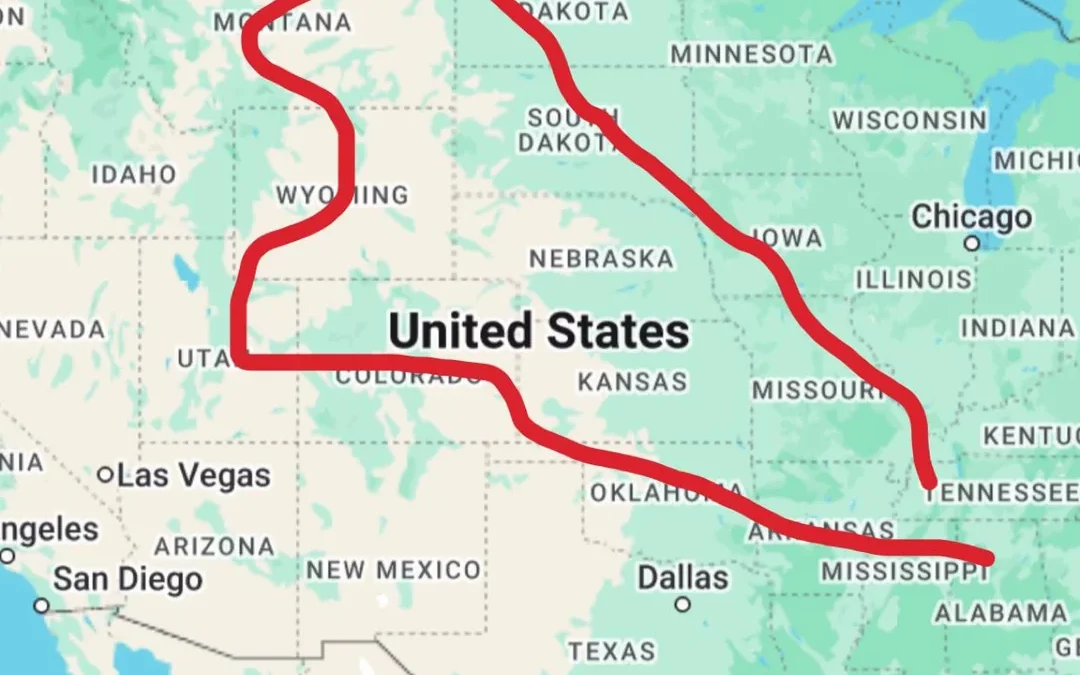
Most travellers rush to Yellowstone by the most obvious routes. This one takes the scenic road less driven — through Olympic ghost towns, bison islands, hot spring rivers, Native American cultural landmarks and the back side of the Tetons — and arrives at America’s first national park having already had the trip of a lifetime.


The Case for Going the Long Way Round

There is a version of the Yellowstone road trip that is essentially a logistics problem to be solved. You choose your entrance, you map your drive time, you book Old Faithful Inn six months in advance. You arrive, you see the geyser, you photograph the bison, you leave. It is a perfectly respectable way to spend a week.

And then there is this version.

This route takes the western approach — crossing Utah, Idaho and Wyoming through landscapes and communities that most visitors to Yellowstone never see, never stop in, and frequently drive past without registering. It traverses the western side of the Rockies for hidden gems, gorgeous views and mountain air that has not yet been competed over. It follows a line that connects an Olympic host city preparing for its sustainable future to a bison island rising out of the Great Salt Lake, a pioneer candy factory producing the world’s most famous crackers, a Native American cultural landmark where the greeting is Tsaànde Tavai’ye — good day, in Shoshone — and a wellness town where the main activity is floating a river in a rubber tube.

It is, in short, the road trip you take when you already know that west is best.


Stop One: Park City, Utah — The Future of the West

Start in Park City, tucked into the folds of Utah’s Wasatch Mountains and close enough to Salt Lake City International Airport to be the logical first stop on a road trip heading north. Most people think of Park City as a winter destination — home to world-class skiing, the Sundance Film Festival, and the ski culture that defines mountain Utah. All of that is real. But arriving in summer, with the ski runs turned to wildflower meadows and the trails empty except for hikers and mountain bikers, Park City reveals a different and equally compelling version of itself.

The 400-acre Utah Olympic Park is the obvious place to begin. Built for the 2002 Winter Games and preparing for its second Olympic chapter when Salt Lake City hosts the 2034 Winter Games, the park offers two free museums covering the history of winter sport, an adventure course built around Olympic infrastructure, and the bobsled ride — a passenger vehicle that travels 65 miles per hour down the actual Olympic bobsled track. In summer, the jumps transition from snow to wheels, and you can watch freestyle ski athletes launching off ski jumps and landing in the swimming pool below, a sight that is simultaneously absurd and breathtaking. It is one of those experiences that exists nowhere else, in exactly this form, anywhere in the world.

Park City is aiming to become the first city to host a carbon-neutral Olympics. The goal of achieving net-zero carbon and running on 100 percent renewable energy by 2030 is not merely an aspiration but an active programme that shapes how the city operates day to day. It is easy to leave your car behind here — a comprehensive free bus network, equipped with ski and bike storage, connects the town’s hotels, ski areas, shopping districts, and trail access points. The 4.7-mile Silver Lake Trail, a hiker-only route that ends in gorgeous valley views, and the Flagstaff Loop, which delivers similar vistas by mountain bike, both offer access to terrain that is genuinely spectacular without the crowds that summer brings to more famous parks.

Historic Main Street is a must — 47 buildings with facades dating to the town’s founding in 1884, home to a restaurant and bar scene that punches well above a mountain town’s usual weight. The Australian-owned Twisted Fern, with its seasonally inspired upscale menu, and five5eeds, where the coffee is seriously good, are both worth building time around. For arts, Kimball Junction is home to Woodward, a year-round action sports park that is genuinely fun for adults who don’t consider themselves action sports people, as well as Utah Olympic Park itself. And for music, Deer Valley’s summer concert series — including performances by the Utah Symphony during the Deer Valley Music Festival — fills the expanded ski area (which doubled in size in 2025, now offering more than 4,300 acres of terrain) with an improbably elegant outdoor experience.

Park City is one of those places that generates the particular guilt of discovering somewhere excellent on the way to somewhere famous. Do it justice. Spend at least a night.


Stop Two: Antelope Island State Park, Utah — Solitude Near the City

Forty-five minutes from downtown Salt Lake City and a world away from it, Antelope Island rises from the surface of the Great Salt Lake with the uncanny quality of a landscape that has decided to be completely indifferent to the twenty-first century. Bison roam here. Pronghorn graze in the sage. Coyotes move through the dusk with the unhurried confidence of animals that know they are not being watched.

Access is via the Antelope Island Causeway from the town of Syracuse — a thin ribbon of road that crosses the lake itself, giving you extraordinary elevated views of the water before you arrive at the expanded visitor centre, which features interactive exhibits about this remarkable ecosystem and a 3D Giant Screen film that contextualises what you are about to experience. The film is a good investment of time, not because you will miss anything important without it, but because understanding the Great Salt Lake — one of the largest saltwater lakes in the western hemisphere, a remnant of the ancient Lake Bonneville that once covered much of Utah — deepens the experience of walking out into it.

The hiking options range from the very approachable to the genuinely remote. Buffalo Point Trail, a short one-mile out-and-back, delivers an elevated perspective across the park, the lake, and the surrounding mountains in under an hour. For those wanting to properly lose themselves, the Split Rock Loop Trail traverses 11.7 miles into the island’s backcountry, where the park manager describes the silence as “deafening” — a phrase that is both accurate and slightly alarming, because it is the kind of quiet that makes you aware of your own heartbeat.

The bison are the island’s signature draw, and you are almost guaranteed a sighting. A herd of 500 animals roams Antelope Island, joined by pronghorn, coyotes, and more than 300 species of migrating birds that use the lake as a critical stop on their routes north and south. In October, the annual Bison Round Up brings a different kind of spectacle: cowboys and volunteers on horseback moving the entire herd into pens for their annual health examinations, a tradition that is partly practical and partly one of the most visually extraordinary things you can watch for free in the American West.

Trail rides are offered year round for those who want to experience the island on horseback outside of the round-up. And when the sun goes down, Antelope Island reveals another dimension entirely: it is an International Dark Sky Park, and rangers lead star parties on select summer nights that introduce the cosmos above with the enthusiasm of people who genuinely cannot believe their luck at working somewhere this extraordinary. Five campgrounds and three cozy cottages handle overnights, and for dinner afterward the causeway leads back to Layton and Rooster’s Brewing, whose American pub fare and craft beers make an excellent close to a day spent somewhere genuinely unlike anywhere else.


Stop Three: Logan, Utah — Pioneer Living and Pepperidge Farm Crackers

Ninety minutes north of Salt Lake City, close enough to the journey to justify a stop and far enough from Park City to feel like a different world, Logan is the kind of small American city that rewards the traveller who has read ahead and knows what to look for — and confuses the one who is simply passing through.

Start at the American West Heritage Center in Wellsville, a 160-acre living history site where interpreters in period clothing bring to life the Mountain Man Camp, mock settlements, and a working farm that dates, in its essential character, to 1917. It is the sort of place that children explore with the focused intensity of people doing primary research, and that adults find themselves unexpectedly moved by: the physical demonstration of how recently the American West’s pioneer chapter was still ongoing has a different quality to a museum display.

Historic downtown Logan, centred on Main and Center Streets, is the kind of townscape that a filmmaker would build if they were trying to convey “small-town America” without the irony. The Cache Valley Visitors Bureau director describes it as looking like something out of a Hallmark movie, and while this comparison might seem to damn with faint praise, standing in the summer evening light with hanging flower baskets overhead and outdoor dining spilling onto the sidewalk, it is actually accurate and quite lovely.

The Bluebird Candy Factory has been hand-dipping chocolates and candies at this Logan landmark since 1914, a fact that is either unremarkable or extraordinary depending on how you feel about century-old institutions and handmade sweets. The region’s relationship with food production runs considerably deeper than candy, though. Every Pepperidge Farm Goldfish cracker sold west of the Mississippi is made here, in Logan. The Swiss cheese that adorns the sandwiches at Wendy’s and Arby’s nationwide comes from Gossner Foods, also in Logan. The city sits at the centre of a food production heritage that is both genuinely significant and almost entirely unacknowledged by the millions of people who consume its products daily. The self-guided Foodie Trek and Signature Products Tour is an enjoyable way to make this tangible.

Logan Canyon provides the evening’s scenic opportunity: a breathtaking drive north of town, past 26 trailheads — including the Wind Caves, where a four-mile roundtrip leads through spectacular geology to an actual cavern — ending 43 miles later at Bear Lake, the “Caribbean of the Rockies,” with its improbably turquoise water. Every summer, Cache Valley becomes Utah’s Heart of the Arts, with three historic theaters downtown staging full-orchestra musical theater productions and free concerts running in the restored Tabernacle building every weekday from mid-May through August. It is an unlikely cultural epicentre, and one that Logan has clearly decided to be entirely unapologetic about.


Stop Four: Fort Hall, Idaho — Choose a Culture Stay

Southeastern Idaho is the ancestral land of the Shoshone-Bannock Tribes — the eastern and western bands of the Northern Shoshone and the Bannock people — and Fort Hall is where their present-day community has built something genuinely worth stopping for on the western approach to Yellowstone.

The Shoshone-Bannock Hotel Casino is not what the name might suggest to a traveller expecting a generic gaming resort. It is an entertainment destination and cultural landmark that functions, through deliberate design, as a point of genuine engagement with one of the oldest continuous cultures in the Mountain West. The 156 rooms and 11 suites are comfortable and well-appointed — flat-screen televisions, 24-hour fitness centre, cozy and rustic furnishings that belong to the landscape rather than fighting against it. But the building around those rooms is where the stay becomes interesting.

New in 2026 is the Camas Restaurant, redesigned with an upscale menu that draws on Native American culinary traditions — fewer finger foods and shared plates, more fork-and-knife dishes with intentional flavour and presentation, served on walls adorned with artwork commissioned from local Shoshone-Bannock artists. The Donzia Gift Shop — donzia meaning wildflower in Shoshone — sells beaded jewelry, artwork, and handcrafts made by local community members, and it functions as much as a cultural showcase as a retail operation. The shop’s merchandise is a direct connection to the living craft traditions of the Tribes, not a reproduction.

Throughout the property, you’ll encounter the Shoshone and Bannock languages made visible: salmon is agaì (pronounced ah-guy), bear is wedaà (weh-duh), coyote is izhapeè (ee-zha-puh). Staff and other visitors may greet you with Tsaànde Tavai’ye — pronounced zaan-duh dah-vay-yeh — which means good day. These are not decorative touches. They are a community insisting, quietly and persistently, that its language and culture are present and alive.

From May through September, the property hosts an outdoor summer concert series, and in August the Shoshone-Bannock Indian Festival brings a powwow whose Grand Entry is open to the public — an opportunity to witness different styles of Native American dancing performed by dancers from across the country. If you visit during the festival, come with respect and curiosity in equal measure.


Stop Five: Blackfoot and Idaho Falls — Potatoes, Penguins, and a River That Lights Up at Night

The stretch of highway between Fort Hall and Idaho Falls is not conventionally beautiful — flat agricultural land, irrigation infrastructure, the practical working landscape of a region that feeds a significant portion of the United States. But stop in Blackfoot first, because the Idaho Potato Museum is exactly the kind of institution that sounds like a joke until you’re standing inside it, genuinely fascinated.

The potato saved Europeans from frequent famines and was the first vegetable grown in space. This is established fact, and the Museum presents it with the quiet pride of a community that has spent generations growing something the rest of the world took for granted. The Mr. Potato Head exhibit is delightful. The world’s largest Pringle and the Vice-Presidential signed spud are displayed with deadpan seriousness. The Potato Station Cafe serves baked potatoes, fries, and potato salad to visitors who are, by this point, entirely on board with the potato as a subject of serious cultural investigation. Free taters for out-of-staters, says the sign outside. This is not a trap.

Idaho Falls, just down the highway, is the most consequential practical stop on the western Yellowstone approach: less than two hours from both Yellowstone and Grand Teton, served by direct flights from 16 US cities including Dallas and Portland via Idaho Falls Regional Airport, and home to a downtown that is far more engaging than its position as a gateway city might suggest.

The Snake River Greenbelt is the town’s most unexpected asset. Human-made waterfalls — built as infrastructure for the hydroelectric plant that powers the city — light up the Snake River each night with a spectacle that is genuinely beautiful, and the Greenbelt’s five paved miles through downtown are lined with creative benches, public art, and live music venues. Walk the river in the evening and stop at Snow Eagle Brewery and Grill for American pub fare and Japanese dishes that coexist on the menu with surprising coherence, or at Smitty’s Pancake and Steakhouse for the potato pancakes, which are a local legend for entirely justifiable reasons.

The XVIII Speakeasy, found underground on the appropriate side of a non-descript door, serves cocktails built from local ingredients with an upscale yet rustic atmosphere and a zero-proof menu that takes non-alcoholic drinks seriously enough to include elderflower tonic and bitters combinations that are as considered as anything on the alcoholic list. The Celt Pub handles the Irish fare and live music contingency. For overnight stays, Destinations Inn is a genuinely eccentric fourteen-room boutique hotel where each room is themed to a different destination — Paris, Alaska, Thailand — with the special details to match, and tours of the property are offered on Wednesday and Saturday afternoons.

The Idaho Falls Zoo, billed as “the best little zoo in the West,” houses red pandas and African penguins among its residents, and has played a significant role in breeding programmes for endangered species. It is small enough to see completely in a couple of hours and large enough to be genuinely interesting throughout. It is closed in winter, which is a reasonable choice for a zoo in southeastern Idaho.


Stop Six: Lava Hot Springs, Idaho — The Art of Doing Nothing Particularly Well

Somewhere between Idaho Falls and the Wyoming border, tucked into a valley surrounded by mountains, the town of Lava Hot Springs has built an entire identity around the proposition that the best thing to do in a beautiful place is to slow down and actually be in it.

The hot springs themselves are the obvious starting point. Lava Hot Springs State Foundation operates five outdoor sulfur-free pools fed by water that emerges from the earth at pleasantly, usefully hot temperatures — not the scalding geothermal extremes that Yellowstone will deliver but a therapeutic warmth that does exactly what the name promises. Three other hot springs facilities operate in town, including the Olympic Swimming Complex with its water slides, and several hotels offer private hot springs pools as part of the room package, allowing guests to soak at whatever hour the impulse strikes.

The Portneuf River runs straight through the middle of town, and locals have turned tubing it into both a sport and a philosophy. Rent a tube and a life jacket at any of several stands near the hot springs complex, drop into the river in the middle of town, and float. The experience requires no skill, almost no effort, and the kind of willingness to look slightly ridiculous that most adults find difficult to muster and most children achieve instantly. It is a flow state in the literal sense — the psychologists’ term for a state of total absorption that allows you to relax and avoid distraction — delivered by geography.

Above town, the Idaho Centennial Trail passes through fields of Indian Paintbrush and Mountain Bluebell. For a less aerobic engagement with the landscape, Blaser Road offers a peaceful scenic drive with regular opportunities to stop and listen to birdsong, which is in this context not a euphemism for anything but an actual invitation to stand still and pay attention to what is audible when you stop making noise.

The food and drink scene is, for a small wellness town, serious. Eruption Brewery and Bistro, opened in 2024, operates out of a log-and-stone building and takes its farm-to-table menu as seriously as its beer programme, which is saying something. Ye Old Chuckwagon Restaurant handles breakfast with scones and cinnamon buns, and burgers and sandwiches through the rest of the day, with the relaxed atmosphere of a place that has been feeding people well for a long time and sees no reason to change.

At the end of May each year, Lava Hot Springs hosts its Spring Into Wellness festival, which brings yoga classes, sound baths, nature walks, and speakers on everything from the healing properties of the local waters to Indigenous medicine and herbology to a town that is already thinking about wellness as its defining proposition. Visit in shoulder season — fall, winter, or early spring — and you will find fewer people, more affordable accommodation, and hot pools that feel all the more restorative for the chill in the air above them.


The Final Approach: The West Side of the Tetons

As you cross from Idaho into Wyoming, the road trip delivers its most dramatic visual payoff. The Teton Range, viewed from the west, is not the postcard image that has made it one of the world’s most recognisable mountain profiles. It is something different: a series of jagged peaks seen from the opposite angle, their west-facing flanks catching the morning light in a way that the famous eastern reflection shots at Schwabacher Landing can never capture. This side of the Tetons is home to uncrowded trails, hot spring soaks in the forest, and a sense of wilderness that the busier eastern approaches to Grand Teton National Park cannot always provide.

Jackson Hole, the valley that connects the western approach to the park’s official boundaries, offers a complete destination in its own right. Jackson town — the buzzing hub of galleries, restaurants, and Western wear — sits at the valley’s southern end. The ski areas of Jackson Hole Mountain Resort and Snow King Mountain offer summer adventure of every kind, from the Via Ferrata to the Aerial Tram that delivers 4,139 vertical feet of vertical gain in a gondola car with views that are, by any objective standard, unreasonable.

But the western approach to Yellowstone that this road trip has traced is fundamentally about what happens before and around the famous places, not instead of them. Arriving at Yellowstone’s South Entrance — the gateway used by travellers coming from Jackson and Grand Teton — after the journey described in these pages, you carry with you the weight of everything the American West has already offered: the Olympic heritage and sustainable mountain culture of Park City, the bison-scattered silence of Antelope Island, the pioneer living history of Logan’s heritage centres, the Shoshone language alive in Fort Hall, the river-lit nights of Idaho Falls, the therapeutic hot pools of Lava Hot Springs, and the back side of the Tetons seen in the morning light before anyone else arrived.

Yellowstone will be extraordinary. It always is. But the road that got you there will be, in its own way, just as good.


Planning Your Trip: Practical Notes

Starting point: Park City, Utah, is 30 minutes from Salt Lake City International Airport, which offers direct connections from most major US cities. Idaho Falls Regional Airport provides an alternative access point for the later stages of the route, with direct flights from Dallas, Portland, and other cities.

Duration: Allow at least seven to ten days to do this route justice. A rushed version can be completed in five, but the stops that reward lingering — Antelope Island, Lava Hot Springs, Fort Hall — deserve more than a passing look.

Best season: Late May through September covers most of this route well. Antelope Island is best avoided during the brief midge season in spring. Lava Hot Springs is excellent year-round. Yellowstone’s West Entrance is open to passenger vehicles from late April through early November.

Accommodation highlights: Park City offers a full range from ski-chalet luxury to ski-town boutique. Antelope Island has campgrounds and cottages within the park. Logan is well-served by national chain hotels. The Shoshone-Bannock Hotel Casino at Fort Hall is the cultural choice in that stretch. Idaho Falls’ Destinations Inn is worth the reservation if quirky boutique is your style. Lava Hot Springs’ hotels with private hot springs pools are the obvious choice in the wellness town.

Don’t miss: The Bison Round Up at Antelope Island in October if your timing allows; the Shoshone-Bannock Indian Festival in August at Fort Hall; the Spring Into Wellness festival at Lava Hot Springs in late May; Deer Valley’s summer concert series in Park City.


The Verdict

The western approach to Yellowstone is not the route that the majority of the park’s four-plus million annual visitors take. It is longer, in miles and in time, than the direct drives from Denver, Salt Lake City or Bozeman. It asks you to stop in places you may not have heard of and engage with communities that do not feature prominently in national travel coverage.

It rewards you accordingly. The discovery of Antelope Island’s bison herd at sunrise, of a hot river running through a mountain town, of a language being kept alive in a gift shop in southeastern Idaho — these are the experiences that outlast any number of geyser photographs in the memory of a traveller who has genuinely paid attention.

West is best. The road proves it.


Have you taken the western approach to Yellowstone? Share your favourite stops and hidden gems in the comments below — we’d love to build on this route.


Focus keyword: Utah Idaho Wyoming road trip Yellowstone

Tags: Yellowstone road trip, Utah travel, Idaho travel, Wyoming travel, Park City, Antelope Island, Lava Hot Springs, Fort Hall, Idaho Falls, Grand Teton, road trip USA, national parks, underrated destinations, Mountain West, family road trip


Why This Route Beats the Crowds — Every Time

There is a specific kind of exhaustion that comes from visiting a famous place at peak season. You recognise it the moment you arrive at a parking lot that was full before you got there, or queue for a viewing platform behind fifty other people all trying to photograph the same thing at the same moment. The experience is real — the landscape is genuinely extraordinary — but something about the density of human presence changes its quality. You are not so much discovering somewhere as attending it.

The western approach to Yellowstone solves this problem by design. The places on this route are not undiscovered — Antelope Island hosts significant visitor numbers, Park City is internationally known for its ski culture, Lava Hot Springs draws a devoted following of wellness travellers — but they are operating at a human scale that allows genuine engagement rather than managed observation. The bison herd on Antelope Island is not fenced in a wildlife preserve. The hot springs at Lava are not themed and sold back to you. The Shoshone-Bannock culture at Fort Hall is not performed for an audience; it is simply present, available to those who approach it with curiosity and respect.

The American Mountain West is large enough — genuinely, incomprehensibly large — to absorb many more travellers than it currently sees, if those travellers are willing to look west of the main routes. The four million-plus visitors who arrive at Yellowstone annually are concentrated on a few roads, a few viewpoints, a few predictable corridors. The landscape on either side of those corridors is vast, beautiful, and remarkably quiet.

This road trip is one path through that quiet. It is not the only one. The Mountain West rewards the traveller who develops the habit of turning off the main highway, checking what the next town has to offer, and building an itinerary that accumulates texture rather than simply checking destinations. The Gold Fish crackers in Blackfoot, the speakeasy in Idaho Falls, the Shoshone word for bear on a hotel wall in Fort Hall — none of these appear in the top-ten Yellowstone lists, and all of them are better for it.


Eating and Drinking Along the Way: A Curated List

No road trip blog post is complete without an honest account of where to eat, and this route has enough good food moments to justify a dedicated section.

Park City offers the widest range — from the globally-minded menu at Twisted Fern on Kearns Boulevard (order seasonal and let the kitchen decide) to the reliably excellent coffee and breakfast at five5eeds, which understands that Australian café culture and mountain Utah have more in common than you might expect. In summer, the Deer Valley Music Festival’s outdoor dining sets a standard for eating in beautiful places that the rest of the route will struggle to match aesthetically but frequently surpasses in character.

Logan’s Foodie Trek is a genuinely enjoyable way to spend a morning, sampling the region’s remarkable food production heritage — cheese curds from Gossner, honey from local apiaries, ice cream that somehow justifies a detour. The Bluebird Candy Factory’s chocolates make excellent road trip provisions for the hours ahead.

Blackfoot’s Potato Station Cafe serves its potato-based menu with a straight face and completely deserves yours. The baked potato — ordered two hours in advance, as the sign instructs — is a serious piece of cooking for a museum cafe.

Idaho Falls is the meal stop that most surprises people who come expecting a utilitarian gateway city and find instead a Snake River Greenbelt with a Saturday farmers market and a speakeasy serving zero-proof cocktails with elderflower tonic. Snow Eagle Brewery and Grill handles the casual dinner well; XVIII handles the late-evening cocktail hour even better.

Lava Hot Springs’ Eruption Brewery and Bistro is the best restaurant on the route that no one outside the region has heard of. Farm-to-table in a log-and-stone setting, with a beer list that takes the brewing as seriously as the food. Book ahead in peak season.

Jackson — for the final approach — offers everything from elk burgers at the Million Dollar Cowboy Bar to the kind of contemporary American fine dining that the concentration of wealthy second-home owners in the valley makes commercially viable. The Bunnery, a Jackson institution, handles breakfast with a devotion to whole grains and house-baked goods that has attracted a loyal following for decades.


For Families: Making This Route Work With Children

The western Yellowstone approach is, with a few adjustments, an excellent family road trip, and several of its stops are actively better with children than without them.

The Utah Olympic Park in Park City is an obvious win — the bobsled experience alone will be discussed for years — but the summer schedule of freestyle skiing practice sessions (athletes launching off jumps into pools) provides spontaneous spectacle that no amount of theme park engineering could match. The bobsled ride’s age and height minimums apply; check the website before building it into a family itinerary.

Antelope Island State Park is superb for families precisely because its wildlife is wild. A bison sighting is almost guaranteed, and experiencing a herd of 500 large animals moving through open grassland is a fundamentally different experience from a zoo enclosure. The Buffalo Point Trail is appropriate for younger walkers. The campgrounds inside the park make for a memorable night under dark skies.

The Idaho Potato Museum in Blackfoot is, despite every temptation to dismiss it, excellent for children. The Mr. Potato Head exhibit is physically interactive. The Potato Station Cafe feeds them something they will actually eat. The free potato for out-of-state visitors creates a moment of mild absurdity that children respond to with appropriate enthusiasm.

Idaho Falls Zoo — the best little zoo in the West, in the assessment of many who have visited it — is scaled appropriately for families with young children. Seeing it entirely in a couple of hours means no one’s legs give out before the penguins. The Snake River Greenbelt’s creative benches, including one shaped like a grizzly bear, delight the under-tens.

Lava Hot Springs is the family road trip’s natural rest stop: the Olympic Swimming Complex with its water slides handles the children while the adults visit the hot pools, and the river tubing is appropriate for swimmers of most ages and abilities. The town’s walkable layout means no one needs to get back in the car for the afternoon.

Written by Kariss

More From This Category

A Mediterranean Dream

A Mediterranean Dream

Nestled along the Catalonian coast, just a short drive from Barcelona, Cabrils is a charming village that seems to exist in perfect harmony with the sea and the surrounding mountains. It’s not the kind of place that overwhelms you with crowds or flashy attractions. Instead, it invites you to slow down, to breathe, and to immerse yourself in a gentler rhythm of life. For three days, this tranquil corner of Spain became our home—and at the heart of our experience was Carla, our exceptional Airbnb host.

read more
A Mediterranean Dream

A Mediterranean Dream

Nestled along the Catalonian coast, just a short drive from Barcelona, Cabrils is a charming village that seems to exist in perfect harmony with the sea and the surrounding mountains. It’s not the kind of place that overwhelms you with crowds or flashy attractions. Instead, it invites you to slow down, to breathe, and to immerse yourself in a gentler rhythm of life. For three days, this tranquil corner of Spain became our home—and at the heart of our experience was Carla, our exceptional Airbnb host.

read more

Comments

Our Newsletter

American Airlines Flagship Suite Review

American Airlines Flagship Suite Review

Flying American Airlines Flagship Suite: An Honest Review of the Seat That Could Change Everything for US Business Class

Nine hours from Dallas to London. A sliding door. A flat bed. Gate-to-gate wifi. Is this finally the business class product that puts American Airlines back in the conversation with the world’s best?


Let’s Be Honest About American Airlines for a Moment

If you spend any meaningful time in the world of business travel — if you read the forums, follow the aviation bloggers, compare products the way some people compare cars — you will know that American Airlines has had a complicated decade in its premium cabin. Polite conversations about AA’s long-haul business class tend to follow a predictable shape: someone mentions the lie-flat bed, someone else mentions the meal service, and then there is a pause, and someone usually says something like “well, it’s fine, but it’s not exactly Qatar, is it.”

No. It was not. For years, it absolutely was not.

American Airlines is the world’s largest airline by fleet size. It flies more people to more places than any other carrier on the planet. Its network is vast, its domestic reach unparalleled, its AAdvantage loyalty programme one of the most subscribed in global aviation. And yet, for a sustained and rather painful stretch of its recent history, its long-haul business class product sat somewhere in the middle of the global pack at best — serviceable, reliable enough, but lacking the design ambition, the privacy, and the sense of intentional luxury that the world’s leading carriers had been delivering since at least 2017.

The reasons were understandable if not entirely forgivable. A major bankruptcy and a transformative merger with US Airways consumed the airline’s management bandwidth and financial capital for years. Integration, debt reduction, and basic operational stability took precedence over the premium product investment that the market increasingly demanded. Other airlines — Qatar, Singapore, Cathay, Emirates, Japan Airlines — kept raising the bar while American stood more or less still. The gap became visible. And then it became uncomfortable. And then it started costing the airline corporate travel contracts.

The Flagship Suite is American Airlines’ reckoning with all of that history. It is the product the airline should perhaps have built five years earlier, but better late than never — because what it has built, rolling out across its Boeing 787-9 Dreamliner fleet on routes including the Dallas Fort Worth to London Heathrow corridor, is genuinely good. In some respects, category-leading. In others, still a work in progress.

Here is the full story.


What Exactly Is the Flagship Suite?

Before getting into the experience itself, it is worth being precise about what American’s Flagship Suite actually is, because the naming has caused some confusion among passengers familiar with the airline’s previous product portfolio.

American has used the “Flagship” branding for several years across its premium cabin products — the Flagship Lounge, the Flagship check-in, the Flagship dining experience — as a kind of umbrella identity for its top-tier international travel proposition. The Flagship Suite, however, refers specifically to the new generation of business class seat being rolled out on its long-haul aircraft. It is a fully enclosed suite with a sliding door, built on the Adient Ascent seat platform, and it represents a clean break from the previous Flagship Business seating that it replaces.

The specs: 21 inches wide, 79 inches long as a fully flat bed, configured in a 1-2-1 layout across two forward cabins totalling 51 suites on the 787-9. Direct aisle access for every passenger. A sliding door that closes completely for privacy. A 17-inch inflight entertainment touchscreen. Bang & Olufsen noise-cancelling headphones. Gate-to-gate high-speed wifi.

Those specifications, on paper, put the Flagship Suite firmly in the top tier of what is currently available in long-haul business class. The 1-2-1 layout — essential for ensuring every passenger has aisle access without the social negotiation of a staggered 1-2-1 or herringbone configuration — has been the gold standard of business class seating architecture for years. The sliding door is the detail that most clearly signals AA’s intentions: it says, in physical, functional terms, that American understands privacy is now table stakes rather than a differentiator, and that it has finally decided to deliver it.

The question that a specification sheet cannot answer is: what is it actually like to sit in one for nine hours on an overnight transatlantic flight?


Miami and Dallas: The Journey Before the Journey

This particular review route began in Miami — or, more precisely, it began with the friction that Miami introduced before the flight itself had even started.

American operates a dedicated Flagship check-in facility at Miami International, positioned as a premium-lane alternative to the standard business class priority queue. The concept is sound and the facility itself is well-designed: quieter, more spacious, with a calmer energy that signals to the arriving passenger that they are somewhere designed for their particular experience rather than simply processed through a generic system.

What undermined the concept, on this occasion, was a policy decision that the facility’s agents were unable to override. Despite arriving with a confirmed Flagship Suite ticket for the Dallas-to-London transatlantic leg, the check-in experience began not at the Flagship desk but in the regular priority lane. The explanation: the Flagship Suite service was departing from DFW, not MIA, and the facility’s access criteria were tied to the departure point of the Flagship-designated sector, not the origin of the booking. On paper, this may be internally consistent logic. In practice, it is the kind of bureaucratic fine print that erodes premium goodwill before the experience has properly begun.

The wait that followed ran to over forty minutes — an outcome that would have been unacceptable in any premium context, but is particularly jarring when you are holding a ticket that costs, for a return journey, somewhere in the region of eleven thousand US dollars.

The positioning flight from Miami to Dallas Fort Worth was operated on one of American’s older Boeing 777-300ER aircraft, still fitted with the previous-generation business class cabin — the product that the Flagship Suite exists to replace. It was a coincidentally instructive experience. The older cabin is not terrible. The seats are reasonably wide, the service is the same professional American standard that the crew will carry forward to the new product, and the journey time is short enough that the absence of a flat bed is merely notable rather than consequential. But the difference in material quality — the slightly scuffed armrests, the entertainment system that feels one software generation behind, the absence of any real sense of enclosure — was vivid against the knowledge of what was waiting on the next aircraft.

Dallas Fort Worth itself delivered significantly better. American’s Flagship Lounge at DFW is one of the better airport lounges in the US network — generous in scale, well stocked, with shower facilities and private seating areas that make the pre-departure hours genuinely restorative rather than merely endurable. A glass of Bollinger Champagne on arrival set a very different tone to what Miami had offered. The lounge was busy — quite significantly so, on the evening in question — and the crowd pushed the noise levels higher than a premium environment ideally accommodates. But the underlying quality of the space is real, and with a little more seat turnover it would be close to excellent.


Boarding: When a New Aircraft Announces Itself

The boarding process at DFW ran slightly behind schedule, a minor delay that matters less in the moment than the experience awaiting at the top of the jetway.

There is a quality that brand-new aircraft have — a smell, a stillness, a particular quality of light on surfaces that have not yet been touched by enough hands to lose their newness — that is difficult to describe with precision but impossible to miss. American’s new 787-9 Dreamliner has it in abundance. Stepping into the forward cabin for the first time produces a sensation that is almost physically different from boarding any aircraft you have boarded before: the quiet, the fresh materials, the sense of a machine that has not yet begun to accumulate the patina of heavy use. Whatever preceded this moment in the terminal, this is where the premium experience begins in earnest.

The Flagship Suite cabin, spread across two forward sections of the aircraft, presents itself well. The 1-2-1 layout is clean and confident — an aisle on each side, suites staggered in the way that the platform design requires to achieve the footwell configuration that allows full-length flat beds, but not so aggressively staggered that the rhythm of the cabin feels disjointed. The materials are muted and elegant: dark grey predominates, with warm tan accents on the upholstery and wood-effect trim on the suite surfaces. It is not a flashy design language, and that restraint is correct. The cabin looks like a place for serious, comfortable work and rest rather than a photoshoot location for an airline’s marketing department.

The suites themselves are, by any reasonable standard, spacious. The 21-inch seat width translates into meaningful comfort even for larger passengers, and the careful positioning of the armrests and the side wall means you are not spending the flight subtly fighting your own seat for elbow room. The storage architecture — personal space for a laptop, a phone, a book, a water bottle and the accumulated small items of a long flight — is better thought through than most, with each element placed where the logic of actual use suggests it belongs rather than where it was easiest to engineer.

And then there is the door.


The Door: Privacy, Finally

The sliding door on the Flagship Suite is, in the context of American Airlines’ recent history, something of a milestone. For years, the absence of meaningful privacy was the single most frequently cited criticism of AA’s long-haul business class product. The previous cabin was open — functionally open, visibly open, acoustically open. You were aware of your neighbours in the way that you are aware of strangers in an open-plan office: not intrusively so, but constantly. The sense of genuine personal space that the world’s leading enclosed suites deliver was simply absent.

The sliding door closes that gap. When it is shut — and it closes with the satisfying, well-engineered click of something that has been built to last rather than to impress in a showroom — the suite becomes a room. Not a hotel room, and not a room with natural light or the ability to stand up, but a room nonetheless: a defined personal space with a physical boundary between it and the world outside, a boundary that you control. The effect on the experience is immediate and real. The cabin noise recedes. The peripheral movement of crew and other passengers disappears. The psychological shift from “I am in a public space” to “I am in my own space” happens, genuinely and completely, in a way that the previous American product never managed.

The door also functions as a meaningful sleep aid. The light management in the Flagship Suite is thoughtfully calibrated — the ambient lighting moves through the appropriate transitions during the flight — but when other passengers have their reading lights on and the cabin is in that in-between state that long overnight flights pass through, the door contains all of that ambient light within the suite of its origin rather than distributing it across the cabin. The passenger who wants darkness gets darkness. The passenger who wants to read at midnight can do so without guilt. Both needs are served.

For the business traveller on a working flight — one of those increasingly common transatlantic crossings where the aircraft is functionally an extension of the office — the door also provides the acoustic semi-privacy that makes a phone or video call feel viable rather than socially impossible. It is not soundproofed in any serious sense, but it creates enough of a buffer that a quiet conversation does not feel like a performance for the surrounding cabin.


Entertainment and Connectivity: The Headline Act

American Airlines has made a clear strategic bet with the Flagship Suite, and the bet is this: that connectivity — genuinely excellent, gate-to-gate, high-speed wifi — is the premium feature that the modern business traveller values most, and that delivering it better than the competition is worth more than a few extra inches of entertainment screen.

That bet is correct. And on the Dallas-to-London service, it pays off completely.

The wifi on this flight worked. Not merely functionally, not merely adequately, but genuinely well. Gate-to-gate, without interruption, at speeds that made the qualifier “inflight” feel irrelevant. Streaming video on a personal device was smooth and uninterrupted. A video call — conducted for about twenty minutes in the early hours of the flight, before the cabin settled into sleep — was stable and clear. A document shared via cloud storage updated in real time. Watching a live sports broadcast while simultaneously checking emails while simultaneously monitoring the flight path on the inflight map: all of it worked, simultaneously, without any of the three applications pulling against the others.

For a nine-hour flight, the ability to use the first two or three hours productively before sleeping — to send the emails that needed sending, review the document that needed reviewing, update the presentation that would be opened at a meeting in London later that morning — is not a small thing. It is the difference between landing ready and landing behind. American’s wifi infrastructure delivers that difference more reliably than almost anything else currently available on a transatlantic service.

The inflight entertainment system is anchored by a 17-inch touchscreen — responsive, intuitive, and straightforward to navigate, with a content library that covers the major studios and a solid selection of international programming appropriate for a multicultural transatlantic passenger mix. The 17-inch screen size is the one area where the Flagship Suite concedes ground to its nearest competitors: several rival carriers now offer screens of 24 inches or larger, and the visual difference between 17 and 24 inches over a nine-hour flight is not trivial. On a competitor’s aircraft with a large entertainment screen and poor wifi, the screen size is the main event. On the Flagship Suite, with its exceptional connectivity, it is more of a supporting player — and on balance, given the choice between a larger screen and better internet, the connectivity wins. But the trade-off is visible.

The Bang & Olufsen noise-cancelling headphones are excellent. They are among the better supplied headphones in business class aviation, with a fit, a seal, and a noise cancellation profile that works on aircraft cabin noise specifically rather than requiring adjustment from a general consumer setting. Paired with the entertainment system’s audio output, they deliver music and film dialogue with a clarity that most inflight audio setups do not approach.


The Bed: Five Hours of Actual Sleep

Here is the simplest and most important thing to say about the Flagship Suite’s sleep experience: after five hours at 35,000 feet, somewhere over the dark Atlantic, waking up feeling genuinely rested is not something that happens by accident.

The bed configuration — 21 inches wide, 79 inches long, fully flat — is comfortable. The mattress surface is firm in the way that is actually preferable for extended sleep rather than the initial softness that feels good in a showroom, and the Flagship Suite allows sleep in multiple positions: on the back, on the side, in the various partial-recline configurations that a nine-hour overnight flight actually demands, because nobody sleeps flat on their back for nine hours unless they are unusually disciplined. The suite’s structural design accommodates position changes without the passenger needing to relocate to the centre of the mattress to avoid the suite’s walls or consoles. You can sleep, and stay asleep, in the way that your body actually wants rather than the way the seat specification implies.

The bedding — a pillow, a lightweight duvet-style blanket, and an additional cover — is adequate. A mattress pad has since been added to the Flagship Suite’s bedding package, though it was not present on this particular flight: the crew confirmed it was a recent addition to the product and that its availability on individual flights was still being rolled out. The pad’s absence was noticed, and its presence would have elevated the sleep surface noticeably. It is on the right list of improvements.

What the Flagship Suite does not yet offer is turndown service — the practice, standard among the leading premium cabin products, of having a crew member prepare the bed properly during the meal service so that the passenger can move directly from dinner to sleep without the intermediate housekeeping step. It is a small thing, and its absence does not prevent sleep. But it is the kind of detail that separates a good premium experience from a great one, and its absence is felt.

The sense of enclosure that the sliding door provides is, as a sleep enabler, significant. Darkness in the Flagship Suite is genuine darkness — not “relatively dim” or “dark enough if you don’t look toward the galley.” The combination of the closed door, the adjustable ambient lighting within the suite, and the noise-cancelling headphones creates a sleep environment that is meaningfully better than open-cabin business class, and meaningfully better than the previous American product. Waking up refreshed after five hours on an overnight transatlantic flight is not guaranteed by the seat alone, but the Flagship Suite gives it the best chance it has had on an American aircraft in a very long time.


Food and Drink: Ambition Meets Execution, Unevenly

The food and beverage experience on the Dallas-to-London Flagship Suite service is the aspect of the product that most clearly reveals both its ambitions and its growing edges. There are moments of genuine quality. There are also moments that remind you the catering programme is still catching up with the confidence of the hardware.

Opening drinks were strong. A glass of Black Stallion pinot noir — a Californian producer whose presence on AA’s wine list is a statement of intent in itself — was served chilled, in a proper wine glass, alongside San Pellegrino water. American’s wine list has genuinely improved, with a greater emphasis on American regional producers and a more considered curation approach than the previous “adequate and uninspiring” baseline. The Bollinger Champagne in the DFW lounge and the California pinot at 35,000 feet are both signals that someone with a proper palate is making beverage decisions.

The main dinner service is where things became instructive. Having neglected to pre-select a meal — an important note for all prospective Flagship Suite passengers: American’s long-haul catering requires advance meal selection, a step that the booking process does not make sufficiently prominent — the options available by the time the cart reached the rear of the cabin had narrowed to one: seafood, which an allergy rendered impractical.

The crew’s handling of this situation deserves its own paragraph. Rather than presenting a sympathetic shrug and a bread roll, the lead flight attendant assembled an alternative: lamb, with roasted turnips, peas and baby carrots in a fresh herb reduction sauce. It was put together with genuine professionalism, served without fuss, and delivered with the kind of warm composure that is the human face of excellent service. The lamb itself was overcooked and the portion was modest, but the vegetables were fresh and the reduction had real depth. The crew had done more than their job required, and it showed.

Dessert recovered the evening smartly. American’s signature sundae cart is a genuinely loved feature among frequent Flagship travellers — there is something charmingly theatrical about a dessert trolley appearing at an aircraft seat — and the centennial pecan tart on the dessert menu was a good choice alongside it. Opting for the cheese plate instead produced a satisfying final note: well-chosen selections at appropriate temperatures, properly accompanied.

Breakfast, served as the flight descended toward Heathrow in the grey London morning, was the meal that most impressed. A roasted-vegetable frittata with sun-dried tomatoes, wedge potatoes finished with a white cheddar cheese sauce, fresh fruit, and a warm biscuit served with butter and Bonne Maman strawberry conserve. It was a genuinely good meal — not “good for 35,000 feet,” but good in the fuller sense: thought-through, properly seasoned, made from ingredients that tasted like themselves. Accompanied by a strong cup of coffee served at the correct temperature, it was the kind of breakfast that changes the feel of an arrival.

Service across the entire flight was attentive, warm, and appropriately calibrated: present when needed, invisible when not. The crew clearly understood that a nine-hour overnight flight calls for a different service rhythm than a daytime sector, and they applied that understanding consistently.


The Verdict: A Product That Has Finally Found Its Confidence

The word that comes to mind, sitting back on arrival at Heathrow after nine hours aboard the Flagship Suite, is confidence. Not perfection — the pre-departure experience has its friction points, the catering has its inconsistencies, the amenity kit trails the best in the category, and the absence of turndown service and a mattress pad is noted. But the overall product has a sense of considered direction, of knowing what it is and delivering on that identity with conviction, that American Airlines’ premium cabin has not reliably displayed for several years.

The seat is excellent. The privacy is real and fully delivered by the sliding door. The connectivity is, without reservation, a category leader on the transatlantic route. The sleep experience works. The crew are some of the best in US aviation, and on this service they demonstrated both the training and the personal engagement that elevates a transaction into an experience.

Best for: Business travellers who prize connectivity and genuine suite privacy above all else, and who are routing through Dallas Fort Worth to European destinations. Those able to secure a bulkhead window suite — the A or K positions in the first few rows — will find the product at its very best.

A note on price: Return Flagship Suite fares on the Dallas to London route start at around USD $11,000. That is a significant commitment. At that price, the product needs to deliver — and on the seat, the bed, and the wifi, it does. The pre-departure experience and the catering programme need to follow.

Facts at a Glance

  • Route: Dallas Fort Worth (DFW) → London Heathrow (LHR)
  • Aircraft: Boeing 787-9 Dreamliner
  • Cabin: Flagship Suite (Business Class)
  • Configuration: 1-2-1 across two forward cabins
  • Seat width: 21 inches
  • Bed length: 79 inches
  • Total suites: 51
  • Flight time: 9 hours
  • Inflight wifi: Gate-to-gate, high speed
  • Entertainment: 17-inch touchscreen + Bang & Olufsen noise-cancelling headphones
  • Return fares from: ~USD $11,000

Who Should Fly It — and Who Should Wait

The Flagship Suite is not the right product for every business class passenger, and it is worth being honest about that.

If you are a traveller for whom the dining experience is the primary premium differentiator — if your business class flight is incomplete without a multi-course meal of genuine fine-dining standard — the Flagship Suite is not yet at the summit. Qatar Airways, Singapore Airlines, and Japan Airlines all deliver a more polished and consistent catering experience. The gap is closing, and American’s breakfast on this service showed what the programme can achieve. But it is not closed.

If you are someone who uses every hour of a long-haul flight productively and for whom reliable, fast inflight connectivity is the single most valuable premium feature — if the ability to arrive in London having sent the emails, reviewed the deck, and made the calls matters more than any other individual element of the journey — the Flagship Suite on the 787-9 is the transatlantic product to choose. It is the best wifi in the sky on this routing, and it is not particularly close.

If you are flying as a couple or with a colleague and want the option to share a suite experience — to lower the central divider between adjacent suites and dine or work together — the middle-pair suites in the 1-2-1 configuration offer that flexibility in a way that window suites do not. The product accommodates both modes of travel, which is a quiet but meaningful design achievement.

And if you are an AAdvantage member routing through Dallas Fort Worth to London, Frankfurt, Paris, or the other European destinations served by the 787-9 Flagship Suite fleet, the straightforward advice is this: upgrade if you can, and book in advance if you want a window suite. The product has arrived. It is worth experiencing.


The Bigger Conclusion: American Is Back in the Race

The Flagship Suite’s significance extends beyond any individual flight review. American Airlines carrying its premium cabin seriously again is good for everyone who flies transatlantic business class, regardless of which airline they prefer.

Competition at the top of the long-haul premium market is what drives product investment. When a carrier the size of American raises its game — installs better seats, delivers genuinely excellent connectivity, puts better wine in the glass and more professional crews on the floor — the carriers it competes with notice, and they respond. United’s Polaris 2.0 is better for having the Flagship Suite to compete with. Delta One’s programme will develop faster for the same reason. And the global carriers — Qatar, Singapore, Cathay — will maintain the investment pressure that produced their current products partly because they know American is now, genuinely, in pursuit.

For the business traveller, this competitive dynamic is straightforwardly good news. More investment means better seats, better food, better connectivity, better amenities — on more routes, operated by more carriers. The Flagship Suite is American Airlines’ contribution to that dynamic: the product that brings the world’s largest airline back to the table where the serious conversations about premium travel are being had.

After years of trailing its competitors, American Airlines has a product that feels confident, contemporary, and in some respects genuinely ahead of the field. That, for anyone who has spent the last decade watching US aviation struggle to keep pace with the world’s best, is a story worth telling.


Have you flown the American Airlines Flagship Suite? What was your experience like — and how does it compare to the other transatlantic business class products you have tried? Share your thoughts in the comments.


Focus keyword: American Airlines Flagship Suite review 2026

Tags: American Airlines, Flagship Suite, business class, transatlantic, Dallas London, Boeing 787-9, premium cabin, airline review, business travel, long-haul, best business class, AA review


Five Things Nobody Tells You Before Flying the Flagship Suite

Most full-length flight reviews cover the headline features. What they often leave out is the granular, practical knowledge that only comes from actually sitting in the seat. Here are five things worth knowing before you fly.

One: Pre-select your meal before you board, not at the gate. This bears emphasis because the booking flow does not make it obvious enough. American’s long-haul catering is a pre-selection system, not a tray-choice system. If you do not choose your main course before the flight — ideally in the days leading up to it, via the manage booking section on aa.com — your options by the time the cart reaches your suite may be severely limited. This is especially important if you have any dietary restrictions. The crew can improvise, and on this service they did so with impressive professionalism, but the improvised alternative is inherently less refined than the intended menu. Do not find yourself relying on it.

Two: Not all Flagship Suite seats are equal — the bulkhead makes a difference. The 1-2-1 layout distributes the Flagship Suite’s 51 suites across two cabins, with the forward bulkhead positions offering a slightly more spacious entrance area that gives the suite a more open, less tunnel-like quality. The difference is not dramatic, but in a product where the experience is assembled from many small details, the additional space at the bulkhead matters. Seats 1A and 1K on the 787-9 are widely regarded as the best individual positions on the aircraft — maximum privacy, maximum space, first off the aircraft at arrival. Book them early.

Three: The wifi really is that good, and you should plan around it. The gate-to-gate connectivity on American’s 787-9 Flagship Suite service is not just a nice-to-have — it is a genuine operational capability that changes what a nine-hour flight can accomplish. Bring work. Bring a hotspot-dependent workflow. Use the first two to three hours of the flight to close out the tasks that need closing out before you land in London. You will arrive with your inbox in better shape than if you had taken any comparable service with weaker connectivity, and that arrival advantage compounds through the working day ahead.

Four: The noise-cancelling headphones work exceptionally well on aircraft cabin noise specifically. Bang & Olufsen’s involvement in the Flagship Suite headphones is not purely cosmetic. The noise-cancellation profile on these headphones is calibrated for the frequency range of aircraft cabin noise — the low-frequency drone of the engines, the white noise of air conditioning — in a way that makes a meaningful difference compared with the generic supplied headphones on most business class services. If you normally fly with your own premium noise-cancelling headphones, you may find yourself reaching for the supplied Bang & Olufsen set instead. That is a compliment that very few supplied inflight headphones have earned.

Five: Arrive at the DFW Flagship Lounge early. The Flagship Lounge at Dallas Fort Worth is one of American’s better pre-departure facilities, but it runs hot — busy, in the parlance of lounge management — during peak evening transatlantic departure windows. Arriving with ninety minutes or more before boarding gives you realistic access to a shower suite, a proper seat, and a full meal service in an environment that feels premium rather than crowded. Arriving with forty-five minutes to go means competing for space with a full lounge of similarly time-pressed premium passengers. The shower, in particular, is worth planning around: arriving at Heathrow after an overnight transatlantic flight with a fresh start already banked is a material advantage on a heavy day.


The Soft Product: Where the Work Continues

One of the more instructive aspects of flying the Flagship Suite at this particular moment in its development is watching a programme that is clearly in motion: products being added, details being refined, the soft product iterating toward the level of the hard product at a pace that is visible and encouraging even if it has not yet fully arrived.

The amenity kit offered on the Dallas-to-London service was functional and neatly presented: branded packaging, a sensible selection of toiletry items, the standard components of a well-assembled travel kit. By the absolute standard of the category — Qatar Airways’ collaboration with luxury luggage brands, Singapore Airlines’ partnership with premium skincare lines, Cathay Pacific’s Bamford-branded contents — it is not a statement of intent. It is adequate. American’s investment cycle has, correctly, prioritised the seat architecture, the connectivity infrastructure, and the crew training programme over the amenity kit. The kit will improve. The order of priorities was probably right.

The bedding package — pillow, lightweight duvet-style blanket, additional cover — is comfortable and appropriate for a nine-hour overnight flight. The mattress pad, now part of the standard Flagship Suite offering following its recent introduction, was not present on this service, the crew confirming it was still being fully deployed across the fleet. When it is consistently in place, it will improve the sleep surface noticeably. Until then, the existing bedding is adequate rather than exceptional.

The absence of turndown service remains the softest point in the soft product. The practice of having a crew member prepare the bed during dinner — so that the passenger can move directly from the meal to sleep without the intervening domestics of clearing the tray table and reconfiguring the seat — is one of those small operational details that the best premium cabin products have long since incorporated. It is not a comfort issue, strictly speaking. The bed can be configured by the passenger in under two minutes. But it is a service issue, and in the context of a product at the price point of the Flagship Suite, service issues of this visible a nature matter. They will, one expects, be addressed.

What is not in question is the crew. On this Dallas to London service, the cabin crew were excellent in the way that the best American Airlines crews have always been excellent — warm, professional, personally engaged, and possessed of the particular kind of hospitality intelligence that distinguishes genuine service from performed service. The improvised main course response, the timing of the drink refills, the careful calibration of the service rhythm across a nine-hour overnight flight that moved from evening energy through nighttime quiet to morning arrival bustle: all of it was handled with the ease of people who understand their work and care about it. No seat specification can substitute for that quality of human presence, and on this flight, it was present in full.

More From This Category

A Mediterranean Dream

A Mediterranean Dream

Nestled along the Catalonian coast, just a short drive from Barcelona, Cabrils is a charming village that seems to exist in perfect harmony with the sea and the surrounding mountains. It’s not the kind of place that overwhelms you with crowds or flashy attractions. Instead, it invites you to slow down, to breathe, and to immerse yourself in a gentler rhythm of life. For three days, this tranquil corner of Spain became our home—and at the heart of our experience was Carla, our exceptional Airbnb host.

read more
A Mediterranean Dream

A Mediterranean Dream

Nestled along the Catalonian coast, just a short drive from Barcelona, Cabrils is a charming village that seems to exist in perfect harmony with the sea and the surrounding mountains. It’s not the kind of place that overwhelms you with crowds or flashy attractions. Instead, it invites you to slow down, to breathe, and to immerse yourself in a gentler rhythm of life. For three days, this tranquil corner of Spain became our home—and at the heart of our experience was Carla, our exceptional Airbnb host.

read more
A Mediterranean Dream

A Mediterranean Dream

Nestled along the Catalonian coast, just a short drive from Barcelona, Cabrils is a charming village that seems to exist in perfect harmony with the sea and the surrounding mountains. It’s not the kind of place that overwhelms you with crowds or flashy attractions. Instead, it invites you to slow down, to breathe, and to immerse yourself in a gentler rhythm of life. For three days, this tranquil corner of Spain became our home—and at the heart of our experience was Carla, our exceptional Airbnb host.

read more

Comments

Our Newsletter

The Michelin Star, 100 Years On

The Michelin Star, 100 Years On

The Michelin Star at 100: How a Tyre Company’s Marketing Trick Became the Most Powerful Force in World Gastronomy

A century ago, a French tyre company handed its inspectors a new tool for their anonymous rounds: the power to award stars. What followed changed the way the world eats, travels, and thinks about excellence at the table.


The Most Consequential Marketing Idea in History

In 1926, somewhere in France, a handful of restaurants received a distinction so modest in its original conception — a single small star printed beside their name in a compact red handbook — that nobody present could possibly have predicted what it would become. A century later, that star is arguably the most coveted symbol of professional achievement in any craft industry on the planet. Chefs have wept for it. Fought for it. Sued for it. And, in several extraordinary cases, handed it back.

The Michelin Guide’s story is, at its origin, a story about tyres. André and Édouard Michelin, brothers and co-founders of the tyre company that still bears their name, published the first edition of the Guide Michelin in 1900, in the small French city of Clermont-Ferrand. France at the turn of the twentieth century had around 3,000 cars on its roads, and the Michelin brothers had a simple, commercially minded goal: get those drivers driving more, so they would wear out their tyres faster, and buy new ones. The solution they hit upon was a free handbook — 35,000 copies printed and distributed to motorists at no charge — packed with practical information designed to make the experience of driving across France less intimidating and more appealing. Maps and road distances. Lists of petrol stations and mechanics. Details of hotels where a driver might sleep. And, almost as an afterthought, restaurants where they might eat.

It was inspired marketing. It was also, in its core insight about the relationship between information, desire, and travel, the founding document of modern food tourism. The idea that you might choose where to drive — might plan an entire journey — based on where you wanted to eat was not, in 1900, an obvious one. André and Édouard Michelin made it obvious, and then spent the next 25 years refining and deepening the proposition until, in 1926, they introduced the tool that would give the whole enterprise a different order of cultural gravity: the star.

One hundred years on from that first constellation of awarded stars, the Michelin Guide covers 28 titles across more than 25 countries, from Rio de Janeiro to Tokyo, San Francisco to Stockholm. It remains, despite every challenge thrown at it by the internet age, food television, social media, and the rise of rival ranking systems, the undisputed arbiter of global gastronomic excellence. Its anonymous inspectors eat their way through the world’s restaurants every year with the dedication of professionals who genuinely believe — and whose careers have been built on the conviction — that extraordinary cooking is worth going out of your way to find.

This is the story of how it got there — and what it means to the chefs, the cities, and the travellers who live by it.


The Guide That Almost Wasn’t

The first edition of the Guide Michelin in 1900 was, by any contemporary standard, a utilitarian document. It listed practical information for drivers. It had no pretensions to gastronomy. The restaurants it mentioned were there because they were convenient stopping points on the routes France’s tiny motoring population might use, not because they were centres of culinary ambition.

For the first twenty-six years, the Guide remained broadly in this mode: comprehensive, pragmatic, and quietly expanding its reach as the automobile gradually transformed European life. In 1920, the Michelin brothers made a decision that would prove more consequential than they realised at the time: they began charging for the Guide, reasoning that a product people paid for would be taken more seriously than one distributed for free. They were right. In 1923, they introduced the first restaurant ratings, using a simple fork-and-spoon system to indicate comfort and quality. And in 1926, they introduced the anonymous inspectors who would become the foundation of the system’s credibility — and, in the same year, awarded the first stars to 46 notable fine-dining establishments across France.

The logic of the system was revealed further in 1931, when Michelin introduced the hierarchy of one, two, and three stars that remains in use to this day, and in 1936, when the Guide published the criteria by which each tier was defined:

One star means high-quality cooking that is worth a stop on your journey. Two stars means excellent cooking that is worth a detour. Three stars means exceptional cuisine that is worth a special journey.

That final phrase — worth a special journey — is what elevated the Michelin Guide from a useful reference book into something closer to a religion. It told its readers, explicitly, that there existed restaurants so extraordinary that you should plan a trip specifically to eat at them. It validated, on behalf of an institution with the weight of a serious publishing operation behind it, the idea that travel and gastronomy were inseparable: that the finest expression of both was to make a journey for the sole purpose of sitting at a table in a room where something remarkable was about to happen to your dinner.

It is difficult to overstate how radical this idea was in 1936. It is almost equally difficult, nearly a century later, to imagine the world of high-end travel without it.


How the Stars Actually Work

The mechanics of the Michelin inspection process are, by design, largely opaque. The inspectors are anonymous. The criteria are published but the process of applying them is not. The deliberations between inspectors and editorial teams are conducted in confidence. This deliberate mystery is part of the Guide’s power, and it is also the source of a great deal of its controversy.

What Michelin does publish is the five criteria against which restaurants are judged. The first is quality of ingredients — not simply that the ingredients are excellent, but that a chef understands how to source them, respect them, and deploy them at their natural best. The second is mastery of flavour and cooking technique — the foundational craft of the kitchen, the ability to apply heat, acid, salt, and time with precision and intention. The third is personality of the chef in their cuisine — a recognition that the greatest food is not merely technically correct but expressive, that it speaks of a specific creative intelligence with a specific point of view. The fourth is value for money — a criterion that operates somewhat differently at three-star level than it does at one-star, but which is always present and which explains why a perfectly executed bowl of soy-sauce chicken at a Singapore hawker stall can sit, legitimately, in the same universe as a sixteen-course tasting menu in a Paris dining room. The fifth, and perhaps the most commercially significant, is consistency between visits — the requirement that the experience a guest receives on the night of an inspection is the same experience they will receive six months later, when the inspector has gone and the cameras are off.

It is this fifth criterion that separates the merely brilliant from the genuinely deserving. Almost any kitchen can produce a transcendent meal once. The star — and especially the two and three stars — is awarded to those who can do it every service, every week, every season, year after year. The physical and psychological demands this places on a chef and their team are enormous, which goes some way to explaining both the reverence with which stars are held and the extraordinary toll that pursuing and maintaining them can take.


The Weight of the Star: What It Does to a Restaurant

Ask anyone who has worked in a serious kitchen about the moment their restaurant received its first star, and the answer will almost always describe two things simultaneously: elation and terror.

The elation is obvious. Almost overnight, a Michelin star transforms a restaurant’s commercial position. Reservations that were previously available fill up within hours of the announcement. The Guide’s website — and the extensive media coverage that accompanies any new star allocation — drives a surge of interest that no advertising budget could reliably produce. Menu prices that might previously have seemed ambitious are suddenly validated. The ability to attract and retain talented kitchen staff, always the central logistical challenge of running a serious restaurant, improves dramatically: working at a Michelin-starred restaurant is a credential that travels, and young chefs actively seek it out.

The terror comes from the same source. The star that arrived so euphorically must now be defended. Every reservation for the foreseeable future may conceal an anonymous inspector. Every dish that goes out must be at the standard that justified the award. The consistency criterion — the same quality, every service — becomes at once the mission statement and the daily anxiety of the entire team. In the fine-dining industry, the stakes are well documented. Almost overnight, a star can transform reservations, menu prices, and a restaurant’s ability to attract and retain staff. The drama of this cycle — pursuit, attainment, defence, and sometimes loss — is compelling enough to have generated its own television genre.

Knife Edge: Chasing Michelin Stars, an eight-episode docuseries produced by Studio Ramsay Global and hosted by Jesse Burgess, co-founder and presenter of the food culture platform Toplaw, captures this world with uncommon rigour. Visiting cities including Los Angeles, London and Mexico City, the series follows chefs through the cycle of seeking, keeping, and in some cases losing their stars, with the emotional honesty and visual clarity that the subject demands. It is, for anyone interested in the intersection of craft, ambition, and psychological pressure, essential viewing.


The Record Holders: Stars, Controversies, and the Chefs Who Define the System

Any account of the Michelin Guide’s centenary must include the chefs who have accumulated its recognition most spectacularly, and those who have complicated the system’s authority most interestingly.

The late Joël Robuchon is the undisputed summit of Michelin achievement. At the peak of his career, Robuchon held 31 stars across his global restaurant empire — a number so far ahead of any other chef, living or dead, that it constitutes a category of one. Robuchon’s cooking was defined by a commitment to technical perfection and ingredient quality so absolute that it set the standard against which every subsequent generation of fine-dining chefs has been measured. His signature dish, a pommes purée made with a quantity of butter that alarmed even the French, became one of the most celebrated side dishes in the history of world gastronomy. His influence on the craft of the kitchen is incalculable.

In Britain, Tommy Banks represents a different kind of Michelin story: the youngest-ever recipient of a star in the UK, awarded at just 24 for his restaurant The Black Swan in Oldstead, a village in the North Yorkshire Moors. Banks’s approach to his cooking — and to the star — reveals something important about what Michelin recognition means to contemporary chefs. Speaking about the award, Banks is direct: “It’s a testament to how relevant it is, at a time when everything’s available on social media, that Michelin still means a lot. Chefs really care about it. ‘Michelin-starred chef’ gives you a lot of clout and relevance.”

Banks’s connection to the Guide runs deeper than his own star. The Black Swan also holds a Michelin Green Star — an award introduced in 2020 to recognise restaurants at the forefront of sustainable gastronomy — reflecting the restaurant’s commitment to either growing or foraging the majority of its ingredients from the surrounding landscape. This dual recognition, of culinary excellence and environmental responsibility, points toward a significant evolution in the Guide’s values over the past decade, and one that has not been without its critics.

The Green Star’s introduction was seen by some as a response to the growing influence of The World’s 50 Best Restaurants list — a rival ranking system that has gained considerable cultural traction among a younger dining public and that has consistently championed values of creativity, locality, and sustainability alongside pure technical excellence. Michelin’s acknowledgment of sustainability through the Green Star was, in this reading, an attempt to broaden its relevance beyond the white-tablecloth fine-dining world it had traditionally dominated.

Not every interaction between the Guide and its subjects has been harmonious. The history of the Michelin star is also a history of confrontations, refusals, and disputes that reveal the extraordinary power the small red book exercises over its recipients.

Marco Pierre White is perhaps the most theatrical example. In 1999, White became the first chef to voluntarily relinquish his three stars, returning them to the Guide upon announcing his retirement from professional cooking. His explanation was simple and devastating: he had been cooking to please Michelin rather than himself, and the stars had become a cage rather than a crown. The gesture was widely interpreted as a statement about the Guide’s authority — an act of liberation that implicitly acknowledged the psychological hold that three stars could exercise over a chef of immense talent.

More recently, the Thai street food cook Jay Fai found herself caught in the opposite predicament. When Michelin awarded a star to her modest open-air restaurant in Bangkok — recognising her extraordinary crab omelette and other wok-fried dishes — the result was an overwhelming influx of international visitors that fundamentally transformed both the character of her restaurant and the practical difficulties of running it. Jay Fai reportedly suggested she wanted to return her star, citing the pressure of the tourist crowds and, with admirable candour, the unwanted attention of tax officials drawn by the new profile. The story is a reminder that the Michelin star, for all its benefits, is a distinction that cannot be uncorked once opened.

The Guide has navigated these tensions with varying degrees of grace over the years. The expansion into hawker stalls and street food — a policy that began with Singapore and has since extended to Bangkok, Tokyo’s ramen bars, and beyond — represents a genuine philosophical broadening, even if the execution has sometimes felt inconsistent. The criteria, applied rigorously, do not actually require a restaurant to have a dining room with walls. What they require is exceptional cooking, delivered consistently, with personality, care for ingredients, and value. By that standard, a bowl of noodles eaten on a plastic stool beside a gas burner can legitimately aspire to the same recognition as a dish served under a chandelier. That the Guide has increasingly acted on this logic is, on reflection, one of its most interesting developments of the past decade.

The most litigious chapter in the Guide’s recent history involves French chef Marc Veyrat, who in 2019 took the extraordinary step of suing Michelin after the Guide stripped him of his third star. Veyrat argued that the inspection process was flawed and the decision unjust. Michelin declined to disclose the details of its deliberations. The court ultimately ruled against Veyrat — but the case illuminated, in the most public way possible, the opaque and absolute authority the Guide exercises over the industry it oversees.


The Geography of Stars: Tokyo, Paris, and the Global Map of Excellence

Where in the world should you travel to eat the most extraordinary food? The Michelin Guide provides one answer, and it is not a simple one.

Tokyo holds more Michelin-starred restaurants than any other city on the planet — a distinction it has maintained for years, and one that reflects both the extraordinary depth of Japan’s culinary culture and the Michelin inspectors’ expanding willingness to recognise forms of excellence beyond the French fine-dining template. Sushi masters, tempura specialists, ramen artisans, yakitori cooks working over live charcoal in ten-seat basement restaurants: all of them have been folded, over the past two decades, into the Guide’s universe, as Michelin has grappled with the recognition that the world’s finest cooking does not, in fact, all happen in formal French dining rooms with starched tablecloths and silver domes.

Tokyo’s dominance of the global star count is also a product of what the Japanese describe as shokunin — the spirit of the craftsman, the total dedication to mastery of a single discipline pursued over an entire working life. A sushi chef who has spent forty years perfecting his rice seasoning, his knife technique, and his understanding of the fish that passes through his hands is, in the Michelin system’s terms, as legitimate a recipient of its highest recognition as a French chef with a brigade of fifty and a wine cellar worth a small fortune. Tokyo understood this before the rest of the world did. Its restaurant culture was already operating at Michelin standard for decades before Michelin arrived to say so.

Paris follows Tokyo in the global star count, with Kyoto — Japan’s ancient imperial capital and a city of profound culinary tradition — not far behind. The presence of two Japanese cities in the top three is not a coincidence. Japan’s approach to food — the reverence for seasonal ingredients, the elevation of craft to an almost spiritual discipline, the commitment to consistency across thousands of identical servings of the same dish — is, in many respects, the purest expression of the values that the Michelin star system was designed to reward.

Paris, of course, remains both the spiritual home of the Guide and the most fiercely competitive fine-dining city in the world. The concentration of three-starred restaurants within a relatively small urban area means that Parisian chefs exist in a state of perpetual awareness of each other’s work, each other’s menus, and each other’s critical reception. This competitive intensity, while psychologically demanding for the chefs who live within it, produces cooking of a rigour and ambition that is genuinely without equal anywhere else.

Hong Kong occupies a particularly remarkable place in the geography of Michelin stardom. The city’s dining landscape is extraordinary in its density and diversity — a consequence of its position at the intersection of Chinese, British, and international culinary influences, its extreme concentration of wealth, and its culture of eating out that is embedded in the social fabric of Hong Kong life at every income level. The Four Seasons Hotel Hong Kong is perhaps the most striking single illustration of what this means: the property holds seven Michelin stars across its French, Cantonese, and Italian restaurants, making it the most Michelin-decorated hotel in the world. The hotel’s general manager, Charles Fisher, captures the intangible value of this distinction with admirable precision: “There is this almost intangible benefit where people associate that if you have seven stars under one roof, this is a hotel that exudes quality and is focused on excellence.”

Seven stars under one roof. The phrase is remarkable, and it points to something important about the relationship between Michelin recognition and the luxury hotel industry. For hotels with serious restaurant programmes, Michelin stars are not simply an accolade for the kitchen; they are a statement about the entire proposition. A starred hotel restaurant communicates, to the global travelling public, that every detail of a guest’s experience has been taken seriously — that the commitment to excellence that produced the culinary recognition runs through the property as a whole.

Singapore, meanwhile, has pioneered what might be called the Michelin Guide’s democratic flank. The city-state’s hawker centre culture — vast, boisterous open-air food courts where generations of families have eaten their daily meals for a few dollars — has been embraced by the Guide in ways that have delighted food lovers and outraged parts of the fine-dining establishment in equal measure. The awarding of a star to Hawker Chan, a stall selling soy-sauce chicken and rice for a few Singapore dollars, was one of the most discussed Michelin decisions in years, and it encapsulated the Guide’s evolving position: that it is in the business of recognising exceptional cooking, not exceptional décor, and that the former can exist anywhere.


The Business Traveller and the Michelin Table

For the frequent business traveller, the Michelin Guide occupies a specific and important role in the geography of the working year. A client dinner at a starred restaurant is not merely a meal; it is a statement of seriousness, a declaration of hospitality, a shared experience likely to be remembered long after the business it accompanied has moved on. A weekend added to a business trip, structured around a reservation at a two or three-star restaurant, transforms a routine itinerary into something that has a story attached to it. The Michelin Guide, uniquely among dining guides, provides the traveller with a pre-validated framework for these decisions in cities they may know imperfectly or not at all.

The Guide’s reliability is its greatest practical virtue for the travelling professional. Other forms of dining guidance — social media recommendations, online review aggregators, word of mouth — can all produce excellent results but require either local knowledge or an acceptance of uncertainty. The Michelin star, in a city you have visited for the first time, tells you something specific and testable: that this kitchen has been inspected anonymously, multiple times, and has been found to meet standards that are applied consistently across every city and country in the Guide’s network. It is not a guarantee of personal preference. But it is a meaningful signal, and in a dinner context where the stakes are professional as well as culinary, meaningful signals are valuable.

There is also the business of the conversation itself. A Michelin-starred restaurant gives a business dinner a structure and a focal point beyond the deal on the table. The tasting menu, in particular, creates a natural rhythm for an evening — a sequence of shared discoveries, talking points, moments of collective appreciation — that a more informal dining setting cannot always provide. The best starred restaurants understand this social function of their rooms as well as they understand the culinary function of their kitchens, and they manage both with the same careful attention.


The Controversies That Keep the Guide Honest

For all the reverence with which Michelin stars are held, the Guide is not without its critics, and the criticisms are not trivial.

The most persistent charge is that the three-star tier, and to some extent the two-star tier, reflects a Francocentric approach to dining that privileges a specific style of cooking — one built around classical technique, tasting menus of many courses, and the orchestrated theatre of formal service — over other equally valid expressions of culinary excellence. The accusation, made by critics from across the culinary world, is that Michelin’s inspectors tend to reward cooking that looks and feels like haute cuisine in the French tradition, even when they are supposedly evaluating a completely different gastronomic culture.

There is evidence for this critique. The three-star tier, in particular, remains dominated by restaurants operating in the European fine-dining register, even as the one and two-star tiers have opened up considerably to other culinary traditions. The tasting menu — sequences of eight, twelve, or sixteen small courses that allow a kitchen to demonstrate its range and technique across a long evening — remains the dominant format at the top of the guide in a way that some find limiting. And the “tweezers and never-ending tasting menus” caricature, as one critic has described the aesthetic, captures a real phenomenon: a subset of starred restaurants that have absorbed the visual language of contemporary fine dining without fully developing the substance behind it.

The flipside of the Francocentrism charge is perhaps more interesting. When Michelin began awarding stars to hawker stalls in Singapore and Bangkok — to Hawker Chan’s £3 soy-sauce chicken in Singapore, to Jay Fai’s crab omelette cooked over a wood fire in Bangkok — the reaction from parts of the fine-dining establishment was indignant. A street food stall sharing the same designation as a kitchen with a fifty-strong brigade and a wine cellar worth a house? The outrage was real. But Michelin’s position — that the star recognises exceptional cooking regardless of the setting, that a bowl of soy-sauce chicken made with technical mastery and perfect ingredient sourcing is as deserving of recognition as a quenelle of foie gras — is, on reflection, both defensible and important. It says that excellence has no social class. It insists that the value of food is in the eating, not the furniture.


Three Places Worth a Detour Right Now

The Michelin Guide’s own coverage points to three dining destinations that deserve the attention of any serious food traveller in 2026.

Bavette, Leeds, UK is the kind of restaurant that the Guide has increasingly championed in recent years: a relaxed neighbourhood French bistro run by chef Sandy Jarvis, already holding a Bib Gourmand — Michelin’s designation for high-quality food at great value — and widely tipped for full star recognition in a future edition. In a city whose restaurant scene has transformed dramatically over the past decade, Bavette represents exactly the kind of cooking that the Guide rewards when it is operating at its democratic best: technically excellent, ingredient-led, and entirely without pretension.

Canton Road, Manila, Philippines arrives at a significant moment — the recent launch of a regional Michelin Guide covering the Philippines has shone a long-overdue international spotlight on a dining scene that has been extraordinary for years without receiving the formal recognition its quality warranted. At Canton Road, located in the Shangri-La at The Fort hotel, the focus is on contemporary Cantonese cuisine, with particular emphasis on Guangdong fire-roasted duck prepared with a technique and a level of care that justifies both the travel and the table.

Vraic, Guernsey, Channel Islands is perhaps the most surprising entry on this list, and all the more exciting for it. The Channel Island of Guernsey recently received its first-ever Michelin star in more than a decade — awarded to chef Nathan Davies at Vraic for his approach to exceptional local seafood cooked on a Basque-style fire grill in a coastal setting that is, by any measure, sublime. For the food-loving business traveller in search of somewhere genuinely unexpected to spend a long weekend, Guernsey — accessible by short flights from London and several regional UK airports — now offers a compelling answer.


The Guide at 100: Still Worth a Special Journey?

Stand back from the centenary, and the question worth asking is whether the Michelin Guide — created to sell tyres, evolved into the world’s most authoritative dining guide — remains relevant in an era when every smartphone carries access to millions of restaurant reviews, when algorithmic recommendation engines have largely replaced the printed guide, and when social media has democratised food criticism to the point where a food blogger in Seoul or a TikTok cook in Mexico City can build a following larger than most Michelin-starred restaurants will ever serve.

The answer, it turns out, is yes. And the evidence for that answer comes not from the Guide itself but from the chefs who work within its orbit. Tommy Banks’s observation — that at a time when everything is available on social media, Michelin still means a lot — captures something important. In a world of information abundance, the value of a rigorous, anonymous, consistently applied standard has, if anything, increased rather than diminished. Anyone can post a restaurant review. Not everyone spends years training as a professional inspector, visiting restaurants anonymously, applying the same five criteria across thousands of meals in dozens of countries, and making judgments that are answerable to a century of accumulated institutional authority.

The Guide has also shown, over its hundred-year lifespan, a capacity for evolution that its critics sometimes underestimate. The introduction of the Bib Gourmand in 1997 — recognising restaurants offering exceptional quality at moderate prices, and indicated by the Michelin Man’s cheerful face rather than a star — extended the Guide’s relevance beyond the luxury dining tier and introduced it to a new generation of value-conscious food lovers who wanted rigorous guidance without the three-figure price tag. The Green Star introduced in 2020 brought sustainability into the formal recognition framework, acknowledging that a restaurant’s relationship with the land it cooks from is as legitimate a criterion of excellence as the technique applied in the kitchen. The ongoing expansion into new geographic markets — covering Manila for the first time in recent years, with more cities being assessed annually — ensures that the Guide continues to grow alongside the global travel market it has always served.

The Michelin Guide’s credibility rests, ultimately, on the quality of what is at the end of the journey. Every star that has been awarded in the past hundred years has been, in theory, a promise: that a journey made specifically to eat at this table will be repaid in full. When the system works — when the inspector has got it right and the chef delivers — that promise is kept with a power and completeness that no algorithm can replicate. The meal becomes a memory. The memory becomes a story. The story, eventually, becomes part of why you travel at all.

A century from those first 46 starred establishments in France, the little red book still holds that promise. In an age when the noise around food and travel has never been louder, and when the options for dining guidance have never been more numerous, the persistence of the Michelin Guide’s authority is not an anachronism. It is a testament to the enduring human appetite for a single, trusted, rigorously maintained answer to the most important question a traveller can ask: where should I eat tonight?

The meal at the end of the journey still justifies the journey itself. That, one hundred years on, is the Guide’s most enduring achievement.


Which Michelin-starred restaurant has given you the most memorable meal? Share your experience in the comments — we’d love to hear about your own special journeys.

Written by Kariss

More From This Category

A Mediterranean Dream

A Mediterranean Dream

Nestled along the Catalonian coast, just a short drive from Barcelona, Cabrils is a charming village that seems to exist in perfect harmony with the sea and the surrounding mountains. It’s not the kind of place that overwhelms you with crowds or flashy attractions. Instead, it invites you to slow down, to breathe, and to immerse yourself in a gentler rhythm of life. For three days, this tranquil corner of Spain became our home—and at the heart of our experience was Carla, our exceptional Airbnb host.

read more
A Mediterranean Dream

A Mediterranean Dream

Nestled along the Catalonian coast, just a short drive from Barcelona, Cabrils is a charming village that seems to exist in perfect harmony with the sea and the surrounding mountains. It’s not the kind of place that overwhelms you with crowds or flashy attractions. Instead, it invites you to slow down, to breathe, and to immerse yourself in a gentler rhythm of life. For three days, this tranquil corner of Spain became our home—and at the heart of our experience was Carla, our exceptional Airbnb host.

read more
A Mediterranean Dream

A Mediterranean Dream

Nestled along the Catalonian coast, just a short drive from Barcelona, Cabrils is a charming village that seems to exist in perfect harmony with the sea and the surrounding mountains. It’s not the kind of place that overwhelms you with crowds or flashy attractions. Instead, it invites you to slow down, to breathe, and to immerse yourself in a gentler rhythm of life. For three days, this tranquil corner of Spain became our home—and at the heart of our experience was Carla, our exceptional Airbnb host.

read more

Comments

Our Newsletter